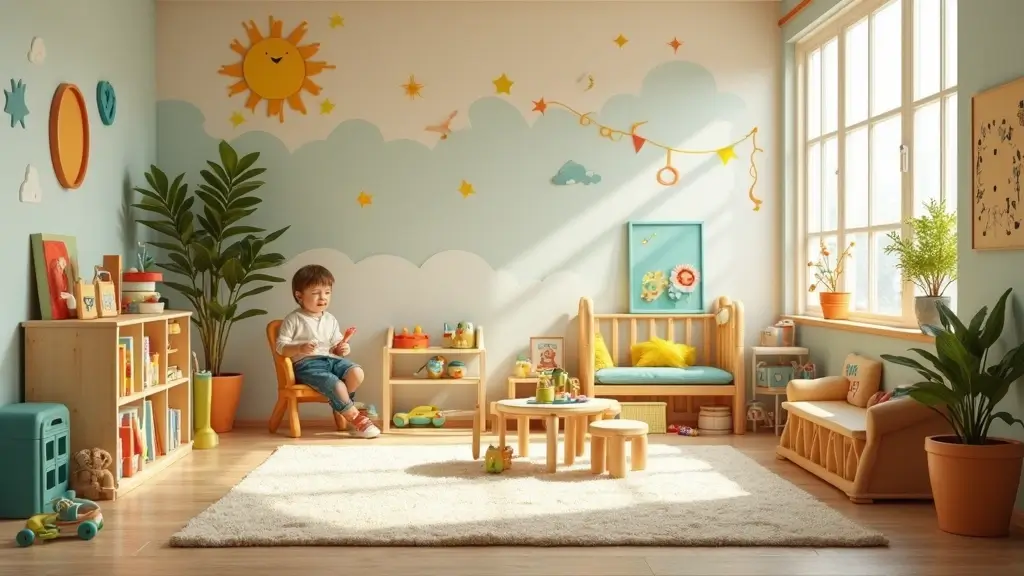
Creating a vibrant and eco-friendly kids’ playroom doesn’t have to be a daunting task.
With thoughtful choices in colors, materials, and organization, you can design a space that sparks joy and creativity.
From playful decor themes to educational play spaces, there are endless possibilities to keep your little ones engaged.
These 30 ideas blend function and fun while ensuring sustainability is at the heart of your design choices.
1. Nature-Inspired Play Areas
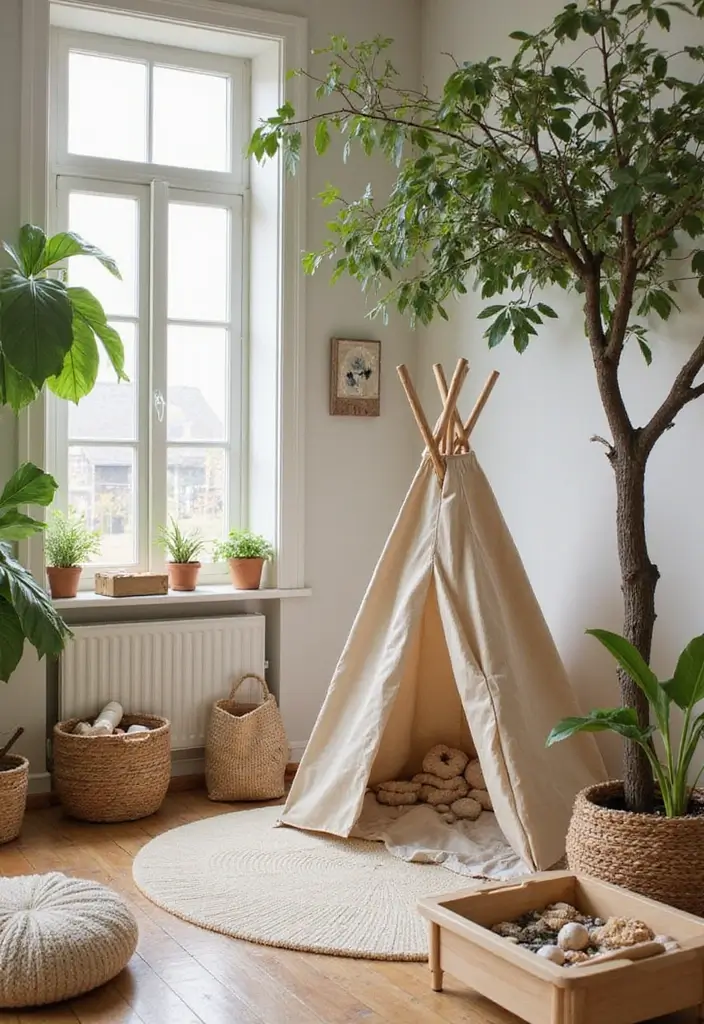
Bring the outdoors inside with a nature-inspired play area.
Opt for earthy colors like greens and browns that mimic the forest, complemented by natural textures such as wood and soft cotton.
Incorporate elements like a small indoor tree fort or a tent made from organic cotton. Add sensory bins filled with sand, rocks, and plants for a tactile experience that encourages exploration.
This setup not only fosters creativity but also teaches children about nature and sustainability.
– Use reclaimed wood for furniture to add rustic charm.
– Choose eco-friendly paint to keep the environment healthy.
– Add potted plants for a fresh vibe that promotes air quality.
2. Upcycled Furniture Creations

Give new life to old furniture through fun upcycling projects.
Transform an old dresser into a play kitchen with a fresh coat of paint and added knobs.
Use a discarded wooden pallet to create a cozy reading nook or a toy storage solution. This approach not only encourages creativity but also teaches kids the value of recycling.
– Let your kids be involved in the painting process to make the pieces uniquely theirs.
– Choose low-VOC paints and finishes to ensure safety.
– Decorate the furniture with playful decals made from biodegradable materials.
3. Multi-Purpose Soft Play Zones
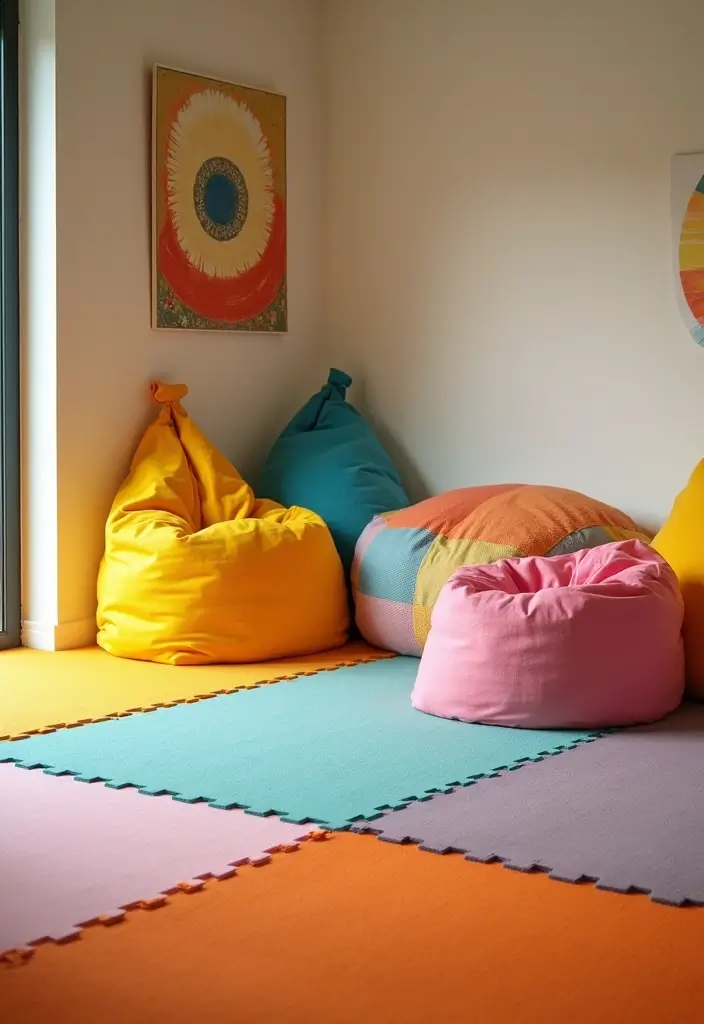
Create a soft play zone that combines comfort and playfulness.
Use eco-friendly foam mats covered in soft fabrics where little ones can crawl, jump, and lounge. This area can serve as both a play space and a cozy reading corner.
Incorporate oversized cushions and organic cotton bean bags for a pop of color and comfort. This soft playzone can easily adapt to various activities, from active play to quiet time with books.
– Choose materials that are non-toxic and safe for young children.
– Create a mix of colors and textures to appeal to their senses.
– Add a small shelf with books to encourage reading during downtime.
4. Artistic Expression Walls
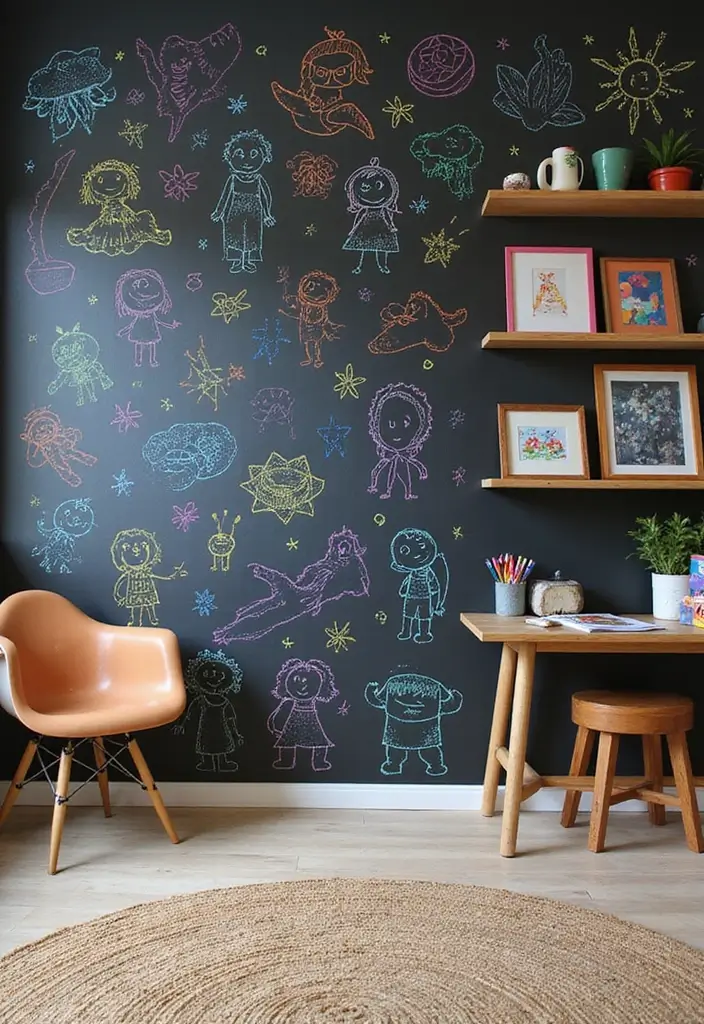
Transform a blank wall into an artistic canvas for your kids.
Use chalkboard paint or easily removable wallpaper where children can express their creativity.
Add floating shelves to display their artwork and inspirations. This not only decorates the space but also instills a sense of pride in their creations.
Rotate the artwork regularly to keep the space dynamic and engaging.
– Use nontoxic chalk and paints to ensure safety.
– Encourage themed art sessions, such as nature drawings or family portraits.
– Provide washable markers for easy clean-up.
5. Interactive Learning Stations
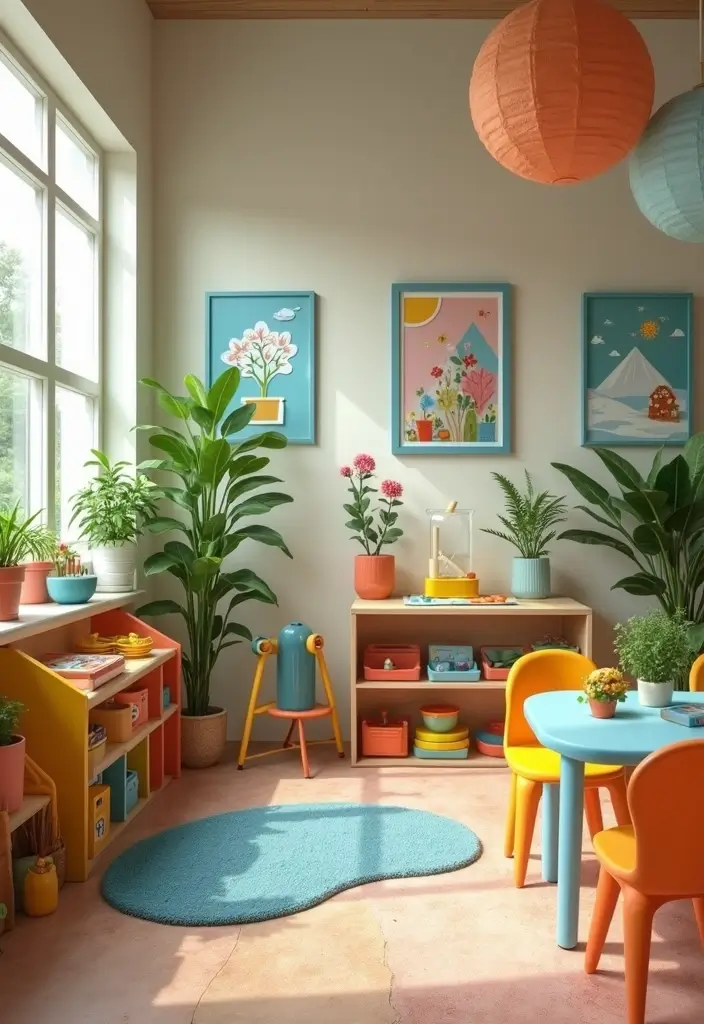
Establish interactive stations dedicated to different subjects like science, art, and literacy.
Each station can be set up with eco-friendly materials, such as recycled paper and non-toxic art supplies.
For example, a science station might include a mini garden kit or a DIY volcano project.
This setup encourages curiosity and hands-on learning, providing children with the tools to explore while having fun.
– Label each station with creative visuals for easy navigation.
– Use natural materials for educational games, such as wooden puzzles made from sustainably sourced wood.
– Rotate the activities regularly to keep them fresh and exciting.
6. Sustainable Toy Storage Solutions
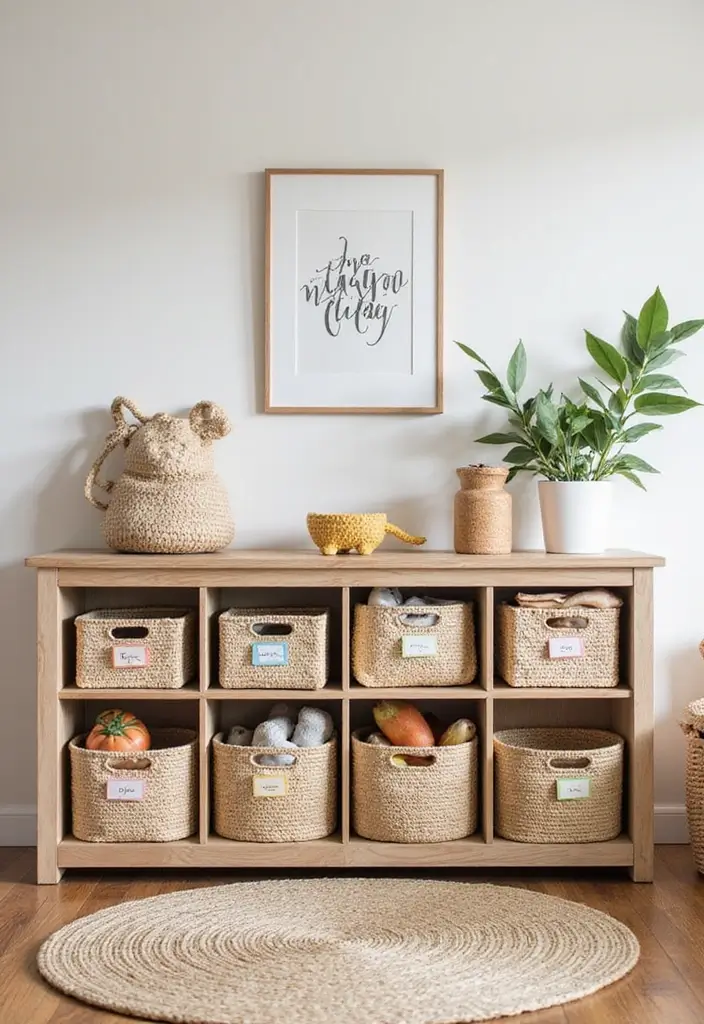
Organization can make a world of difference, especially in a kids’ playroom.
Use natural baskets, bins made from recycled plastics, or wooden crates for stylish and sustainable toy storage.
Label each container with images or symbols, allowing kids to learn responsibility by putting their toys back in their designated spots. This not only teaches organization but also makes clean-up time easier and more enjoyable.
– Choose storage that blends seamlessly with your decor.
– Encourage kids to participate in organizing by making it a fun game.
– Keep toys categorized by type to encourage creativity in play.
7. Cozy Reading Corners
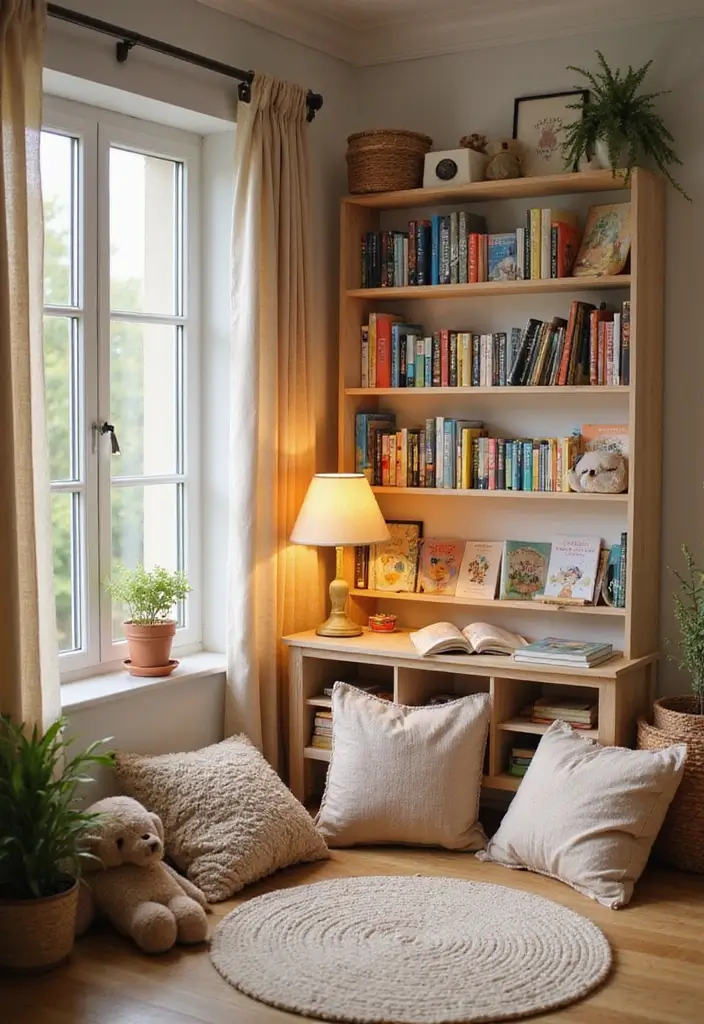
Create a cozy reading corner that invites your little ones to dive into their favorite books.
Choose a small bookshelf made from reclaimed wood and fill it with a variety of books. Add a soft rug and cushions made from recycled fibers to create a relaxing atmosphere.
Incorporate a small lamp with warm lighting to make this reading nook perfect for storytime. Children will love having their special corner where they can explore new stories and expand their imaginations.
– Rotate books monthly to keep the selection fresh and exciting.
– Encourage themed reading sessions based on seasons or holidays.
– Add a chalkboard for kids to write down their favorite book recommendations.
A cozy reading corner sparks imagination! Just a small bookshelf, a soft rug, and a warm lamp can transform your kids’ playroom into a magical world of stories.
8. Playful Themed Decor
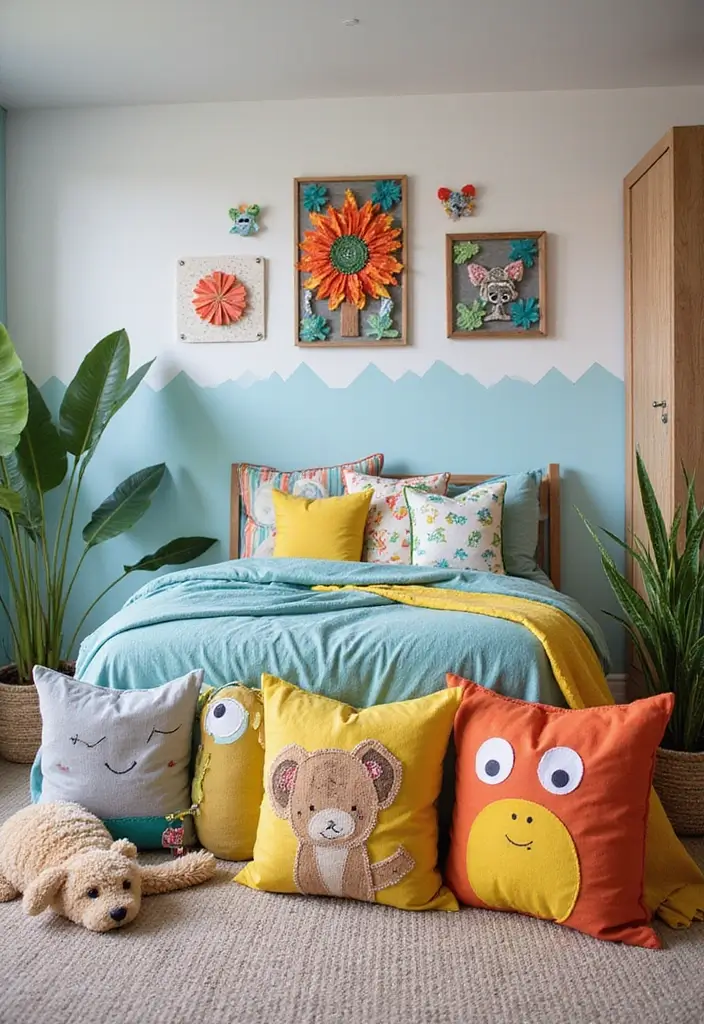
Incorporate playful themes into your decor to ignite imaginations.
Select themes based on your child’s interests, such as space, nature, or underwater adventures. Hang wall art made from recycled materials that reflect the theme.
Consider using removable decals for easy updates as their interests change. This personalized touch will make the space feel special and unique to them.
– Use eco-friendly fabrics for curtains and cushions that complement the theme.
– Encourage kids to help choose decorations to make them feel included.
– Add a themed rug that ties the look together.
9. Eco-Friendly Craft Station
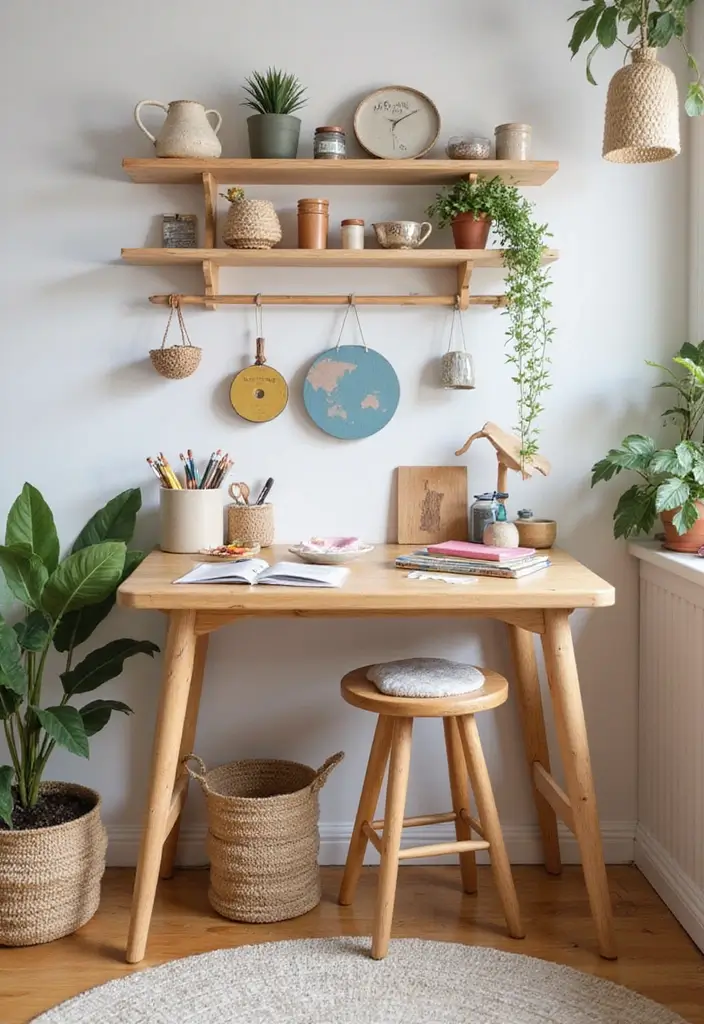
Set up an eco-friendly craft station stocked with sustainable supplies.
Incorporate items like paper made from recycled materials, natural dyes, and biodegradable glitter.
Encourage kids to create their own masterpieces using what they find inside the craft station. This hands-on experience promotes creativity while teaching the importance of sustainability.
– Include a variety of scissors, glue, and brushes made from recycled materials.
– Host regular craft days to build excitement around creating.
– Create a display area for finished crafts to showcase their hard work.
10. Outdoor-Inspired Indoor Play
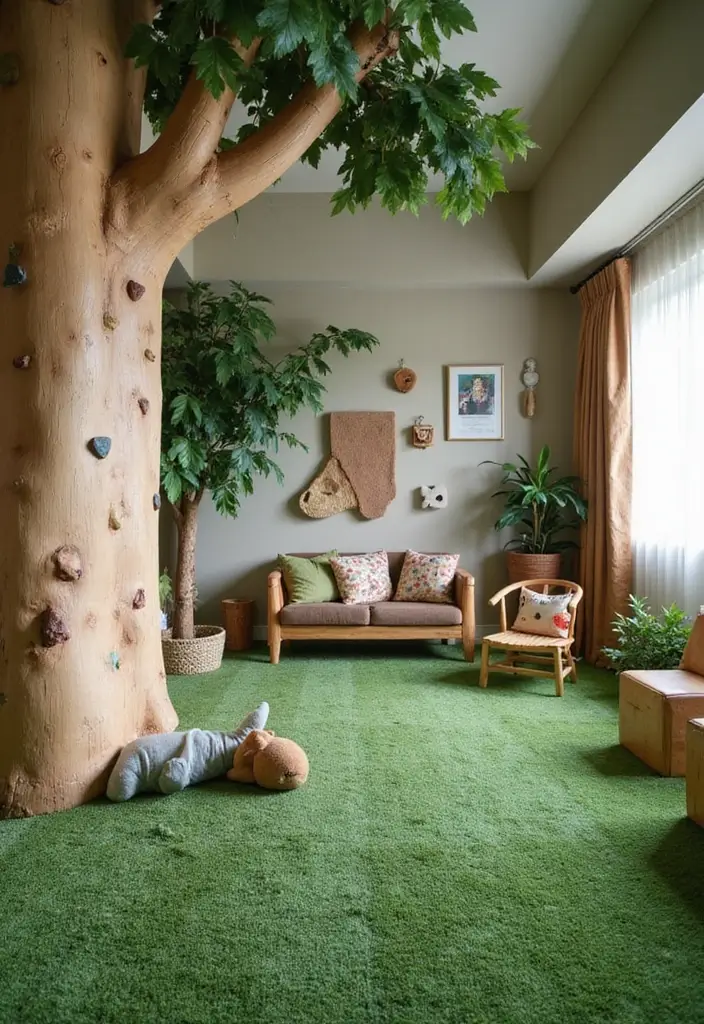
Merge the beauty of the outdoors with indoor play by creating an outdoor-inspired play area.
Use materials that mimic the feel of nature, such as faux grass carpets or natural wood accessories.
Include elements like a mini climbing wall made from non-toxic materials for added adventure. This space will be a favorite for active play while providing a unique aesthetic that encourages creativity.
– Incorporate outdoor games like hopscotch using eco-friendly paints.
– Design a mural depicting a nature scene that kids can enjoy.
– Make sure to include soft landing mats for safety.
11. Miniature Garden Projects
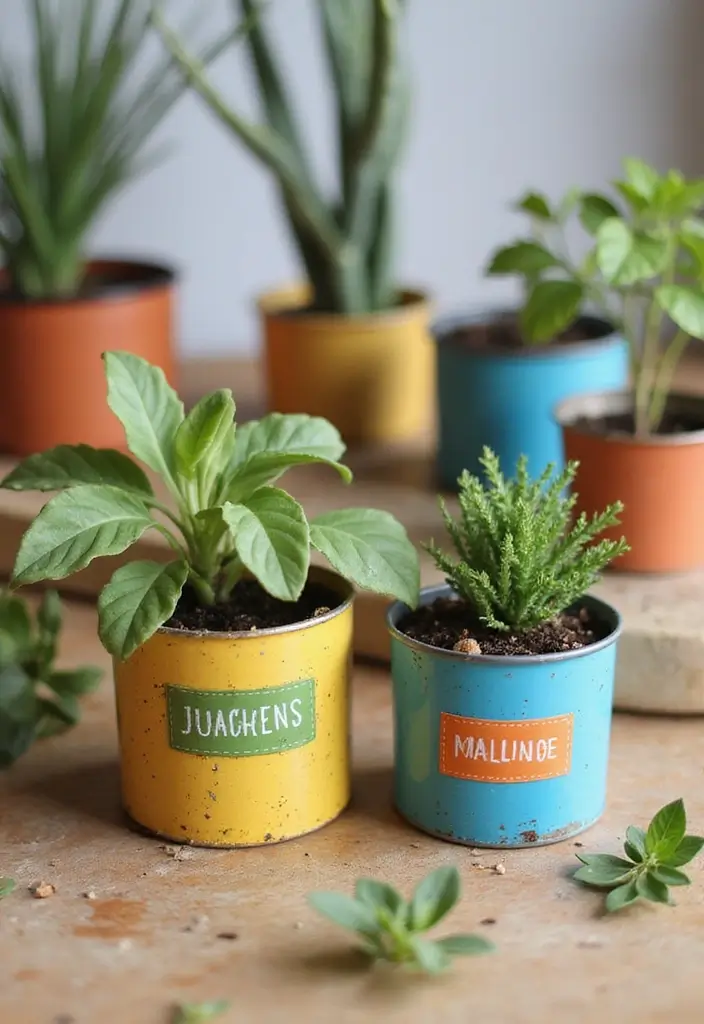
Engage kids with miniature gardening projects in their playroom.
Use recycled containers or wooden boxes to create small garden beds. Plants like herbs or succulents are fun and easy to care for, giving children responsibility over their tiny garden.
This initiative not only beautifies the space but also teaches kids about nature, growth, and sustainability.
– Introduce them to the basics of gardening, like watering and light needs.
– Create colorful labels for each plant using natural materials.
– Encourage them to decorate their pots with eco-friendly paint.
12. Soft Lighting Solutions
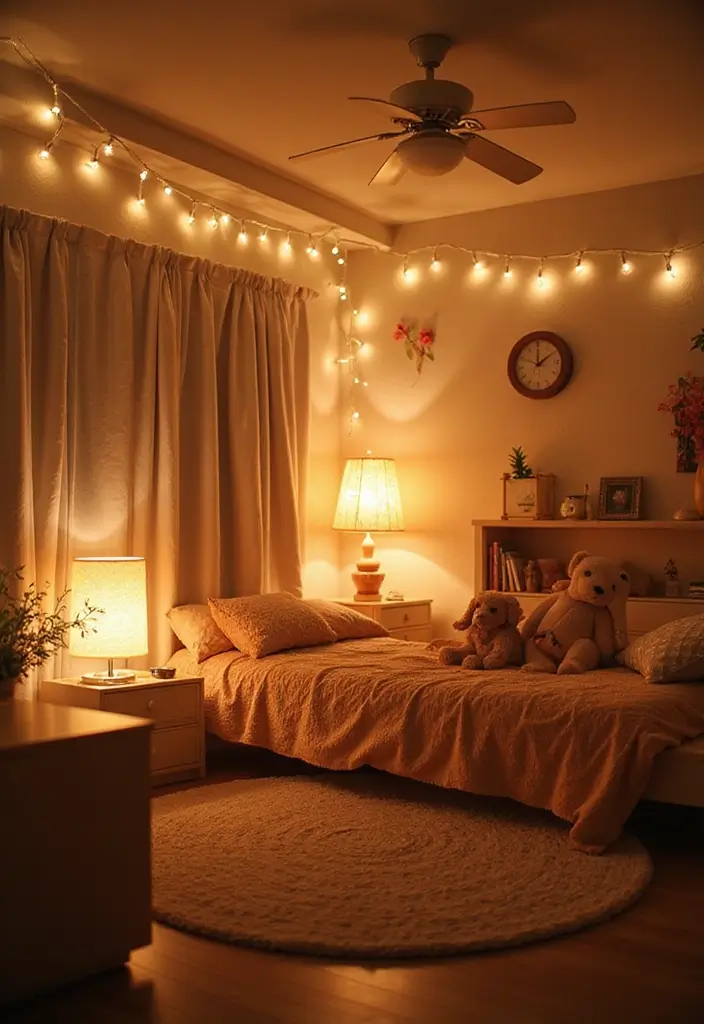
Soft lighting can make a world of difference in creating a cozy atmosphere.
Incorporate LED string lights made from energy-efficient materials for a fun glow, or choose warm-toned lamps that create a soothing environment.
These lighting choices will help transition the room from a busy play area to a calming space for reading or winding down at the end of the day.
– Use dimmable lamps to adjust the lighting based on activities.
– Create a starry ceiling with string lights for a magical feel.
– Ensure all lighting is energy-efficient to promote sustainability.
13. Personalized Play Spaces
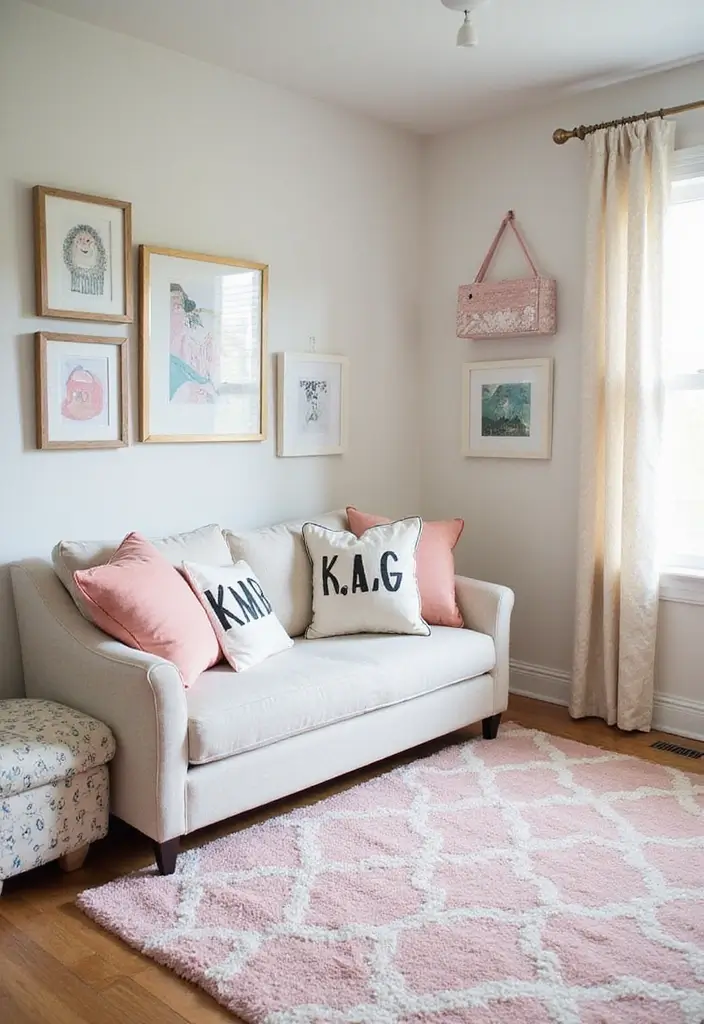
Personalization adds a special touch to children’s playrooms.
Incorporate elements that reflect your child’s personality, such as monogrammed cushions or their own artwork framed on the walls.
This approach makes the space feel unique and encourages kids to take ownership of their environment.
– Use natural fabrics for personalized items to keep things eco-friendly.
– Allow children to choose colors and designs that resonate with them.
– Regularly update the decor as their tastes evolve.
14. Mindfulness and Relaxation Areas
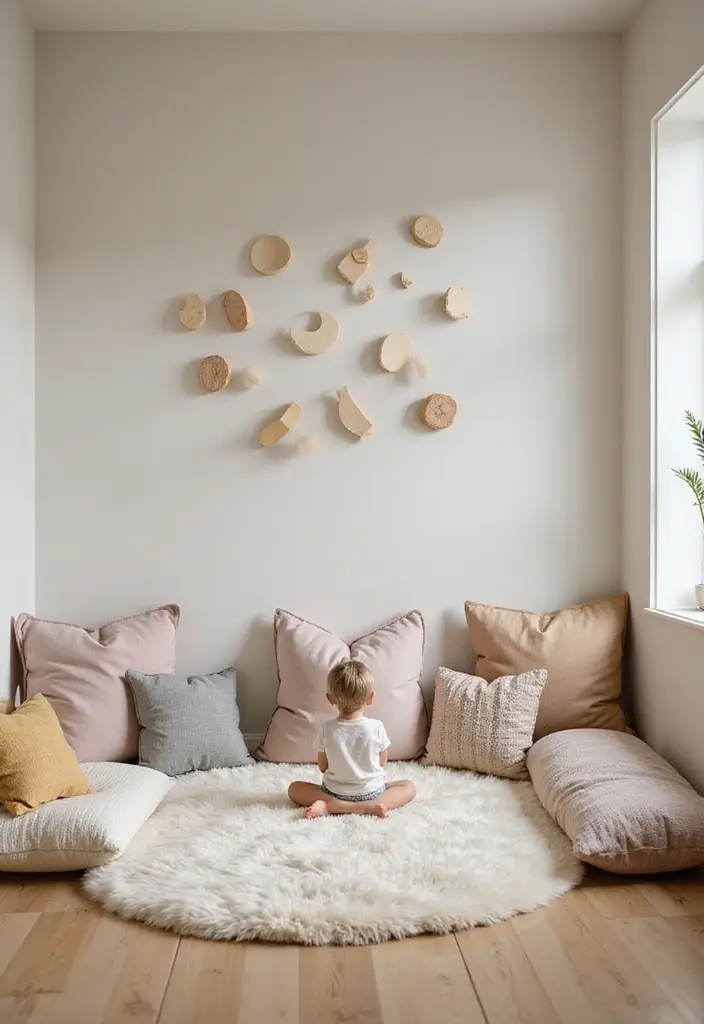
Incorporating mindfulness and relaxation spaces into the playroom is essential for kids’ emotional well-being.
Create a peaceful corner with soft mats, pillows, and calming visuals where children can retreat when they need a break.
Including activities like coloring or guided breathing exercises can promote relaxation and concentration.
– Use soothing colors and natural materials to enhance tranquility.
– Provide calming tools like stress balls or fidget toys.
– Encourage quiet time to balance out active play.
15. Adventure Zones with Climbing and Sliding
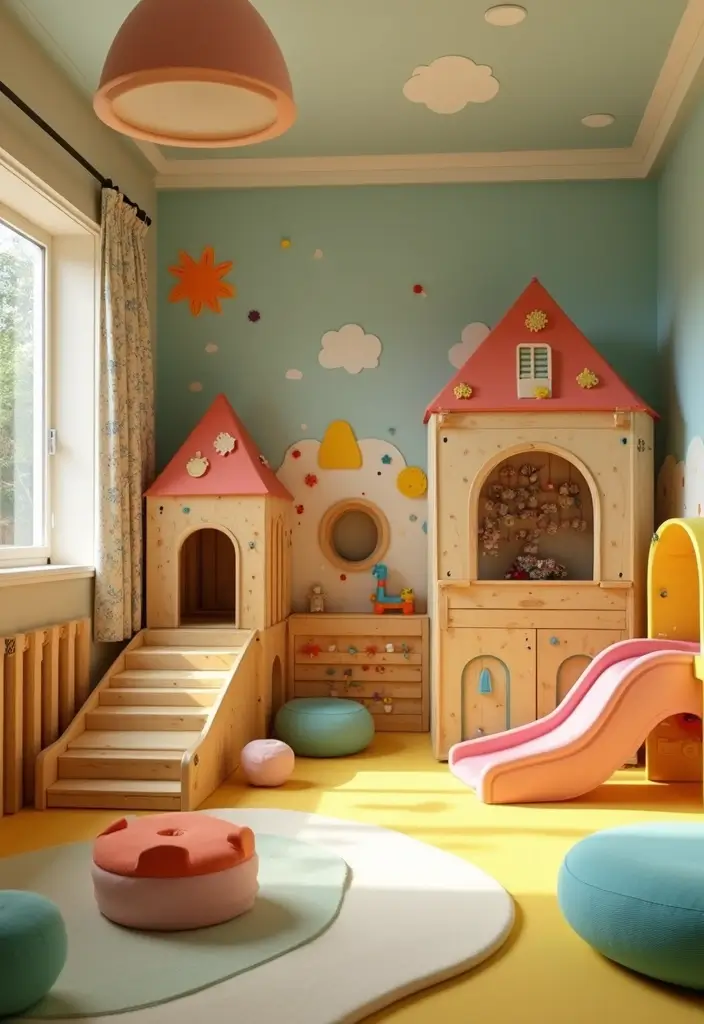
Transform your playroom into an adventure zone filled with climbing and sliding opportunities.
Choose eco-friendly climbing structures and slides made from safe, sustainable materials that encourage physical activity.
This space can promote gross motor skills and provide an exciting outlet for energy.
– Ensure soft landing areas with eco-friendly mats for safety.
– Include tunnels or obstacles for added fun.
– Create themed play areas that match the adventure vibe, like a jungle or space mission.
Let your kids climb, slide, and explore! An adventure zone in their playroom can spark imagination while building gross motor skills—just add eco-friendly fun for a safe and sustainable experience!
16. Themed Play Stations
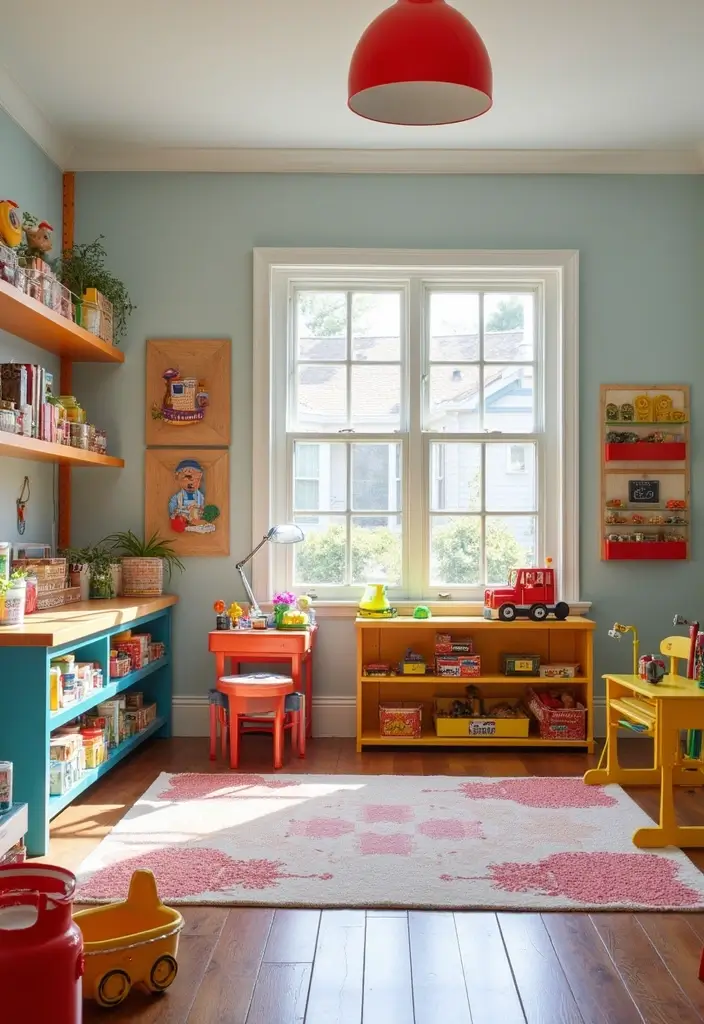
Themed play stations can switch up the usual routine and keep kids engaged.
Create specific areas dedicated to themes like construction, doctor’s office, or grocery store. Use upcycled materials and decor related to each theme.
This not only boosts imaginative play but also introduces practical skills through role-play.
– Make use of simple props and costumes made from natural fabrics for added fun.
– Rotate themes regularly to keep things fresh.
– Encourage kids to suggest new themes based on their interests.
17. Playful Puppet Theater
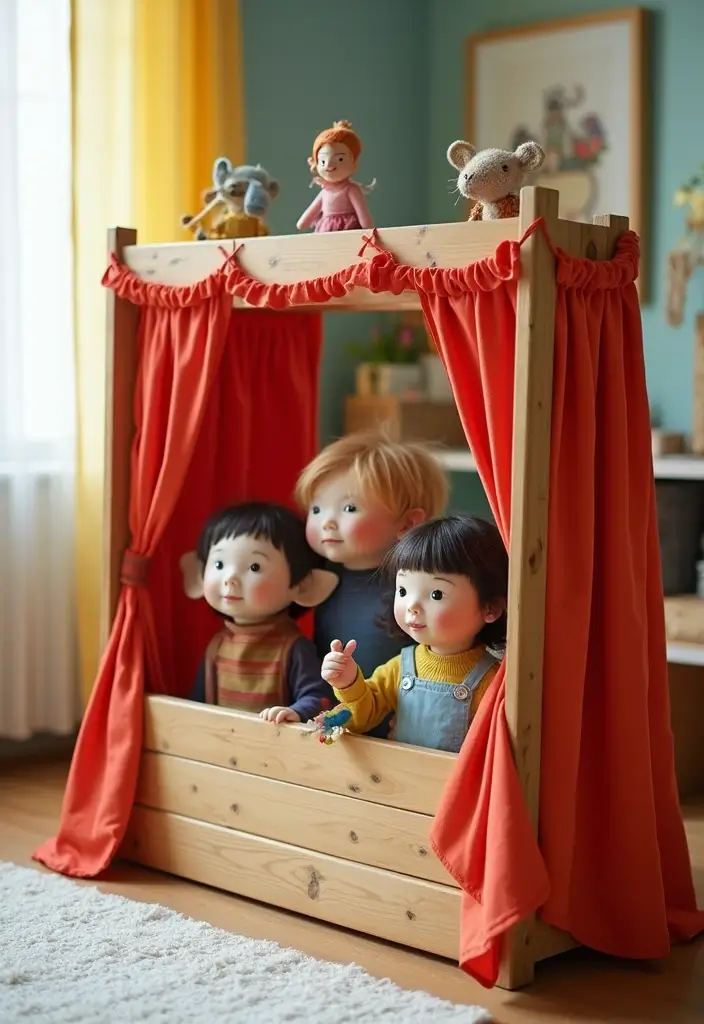
Build a playful puppet theater to spark creativity in storytelling.
Use a simple wooden frame and eco-friendly curtains to create a stage. Encourage kids to create their own puppets from recycled materials, turning both creativity and performance into a fun learning experience.
This interactive element fosters creativity and confidence as kids present their stories.
– Rotate puppet shows with different themes and invite family or friends as an audience.
– Include a script-writing session to enhance literacy skills.
– Utilize recycled fabrics for puppet-making to keep it eco-friendly.
18. Musical Exploration Space
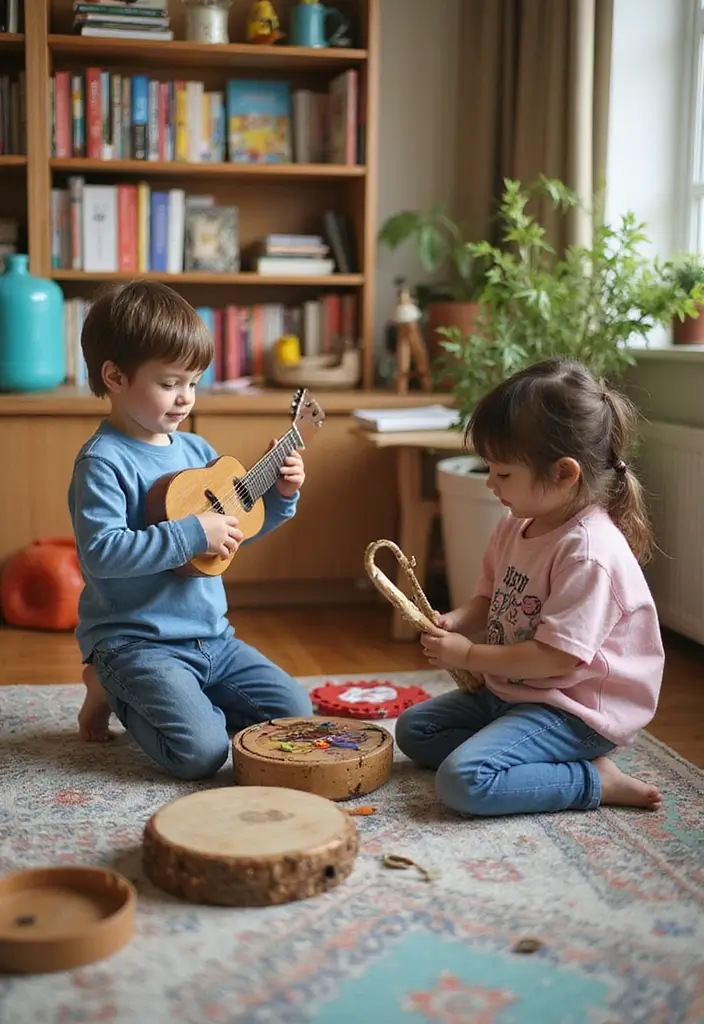
Create a musical exploration space with instruments made from recycled materials.
Incorporate simple percussion instruments like tambourines, shakers, and drums crafted from cans and natural materials.
This area encourages rhythm and coordination while also igniting a love for music.
– Use open shelving to display instruments for easy access and play.
– Include a space for movement and dance to enhance creativity.
– Consider hosting dance parties or music sessions to engage kids further.
19. Daily Activity Boards
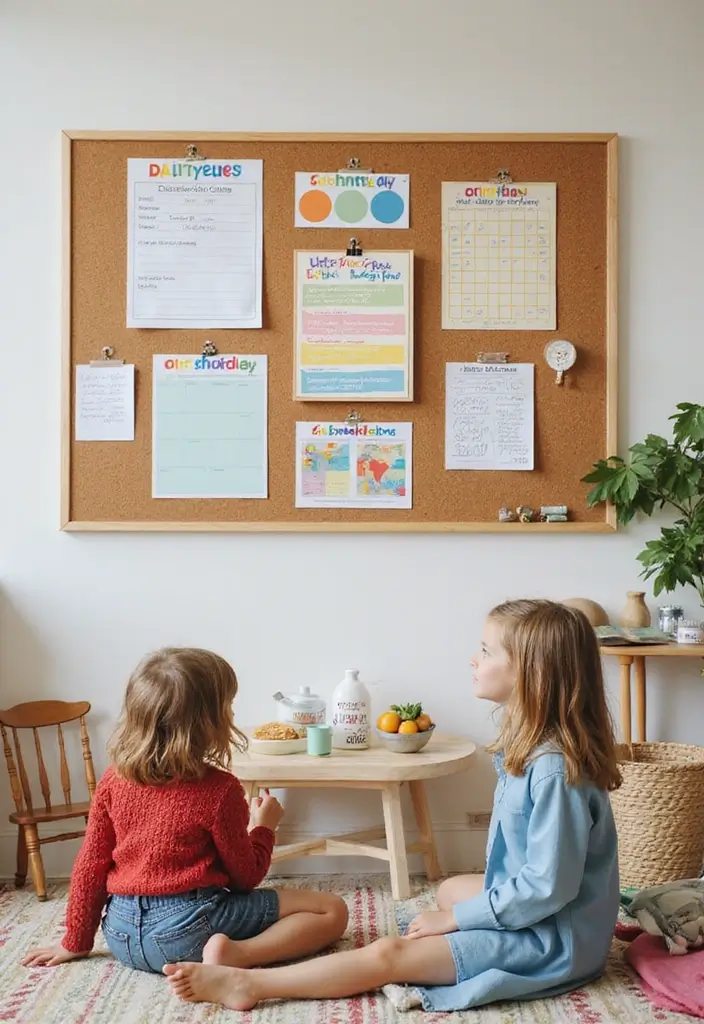
Incorporate daily activity boards to help kids track their routines and responsibilities while having fun.
Use a corkboard or magnetic board to display charts, tasks, and schedules.
Encourage kids to participate in updating the board, teaching them organization and time management skills while also creating an interactive area.
– Add colorful magnets or push pins made from eco-friendly materials for easy customization.
– Include a section for their goals or achievements to motivate them.
– Rotate activities weekly to keep their interest alive.
20. Nature-Inspired Art Stations
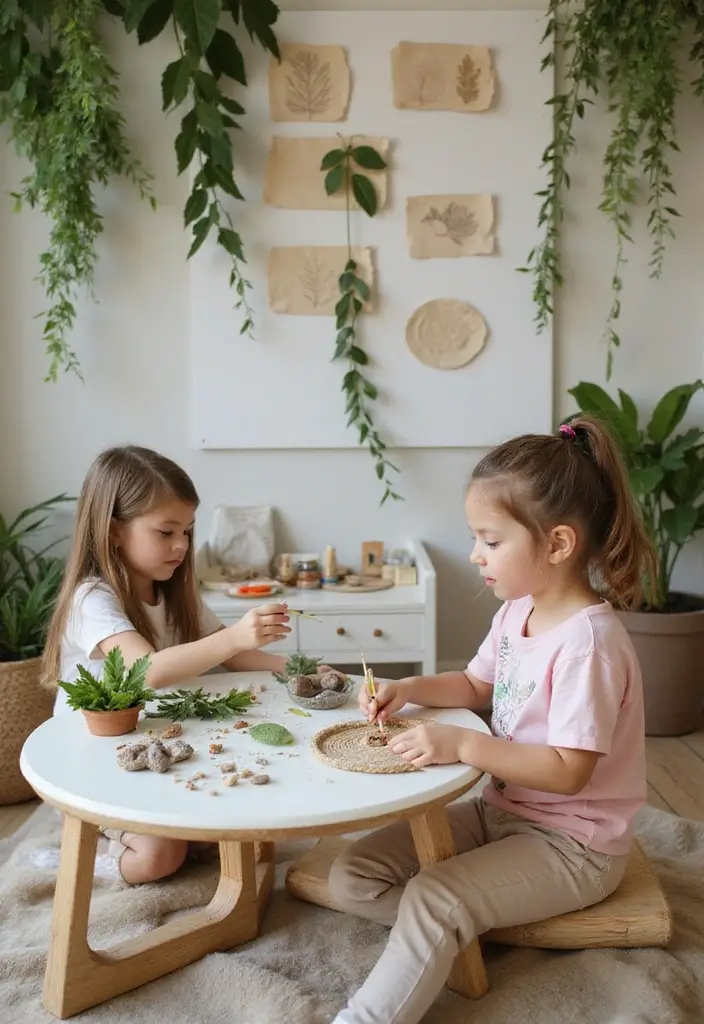
Set up nature-inspired art stations where kids can create using materials from the outdoors.
Include items like leaves, twigs, and stones to spark creativity and connection to nature.
This space can be a fantastic way to combine art with environmental education, encouraging kids to appreciate the beauty around them.
– Provide eco-friendly glue and non-toxic paints for crafting.
– Encourage children to collect materials during outdoor play to utilize in their projects.
– Display their artwork in the playroom to celebrate their creativity.
21. Indoor Balance Beam
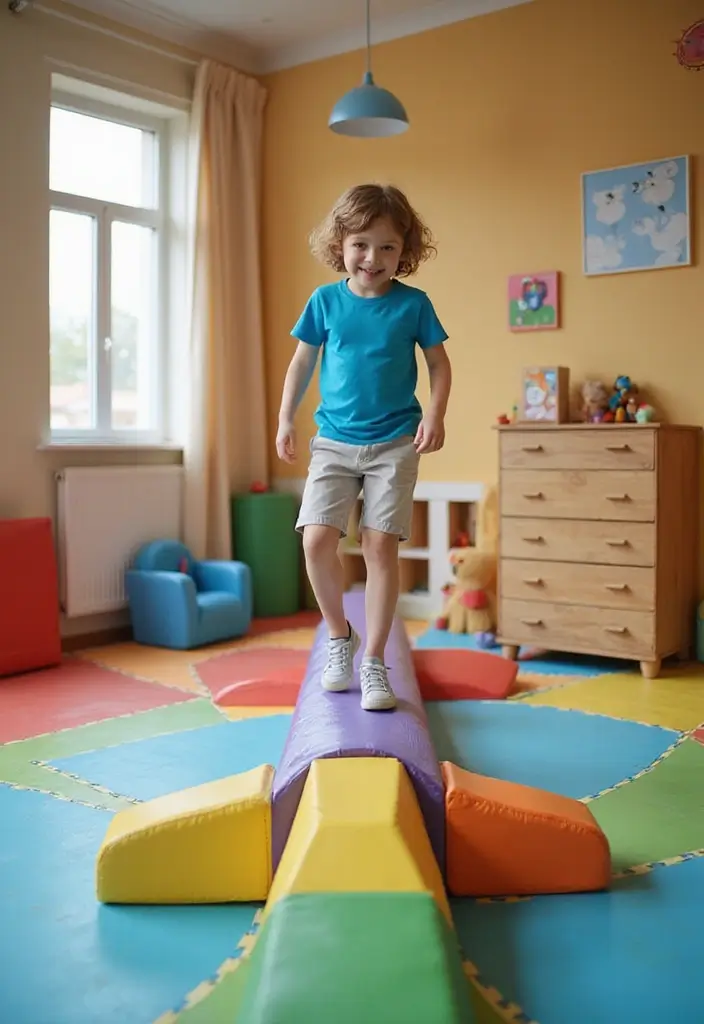
Create a fun indoor balance beam to help develop coordination and balance.
Use a simple piece of wood or eco-friendly foam designed specifically for children. Add colorful markings or textures to enhance the fun factor while keeping safety in mind.
This type of equipment not only boosts physical activity but also confidence as kids master their movements.
– Encourage creative activities like balancing while walking or jumping.
– Incorporate games such as timed challenges for friendly competition.
– Ensure the area around the beam is padded for safety.
22. Playful Storage Solutions
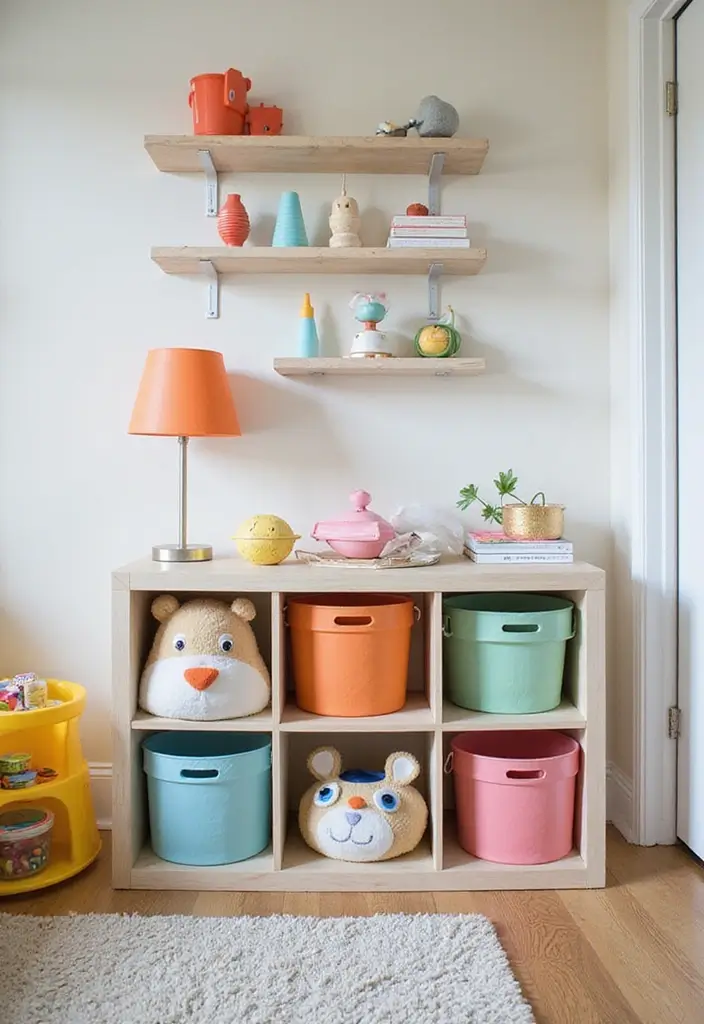
Innovative storage solutions can make the playroom functional and fun.
Use whimsical designs like animal-shaped storage bins or fun-colored cubes to make clean-up feel like a game.
These playful storage options promote organization while adding charm and character to the space.
– Encourage kids to participate in choosing their storage solutions.
– Ensure that the storage is easily accessible to empower them to put things away.
– Incorporate labels with fun images for easy identification.
23. DIY Sensory Play Zones

Sensory play zones are essential for child development, allowing for exploration through touch and sight.
Create a DIY sensory area using bins filled with different materials like rice, beans, or water beads.
Ensure all materials are eco-friendly and safe for little hands. This zone can provide endless entertainment and learning opportunities as kids experience various textures.
– Customize sensory bins based on themes, allowing for different experiences.
– Incorporate tools like scoops or funnels to encourage fine motor skill development.
– Rotate materials regularly to keep the excitement alive.
Sensory play zones turn exploration into learning! Fill bins with eco-friendly materials to ignite curiosity and creativity in your kids’ playroom—because every texture tells a story.
24. Eco-Friendly Painting Station
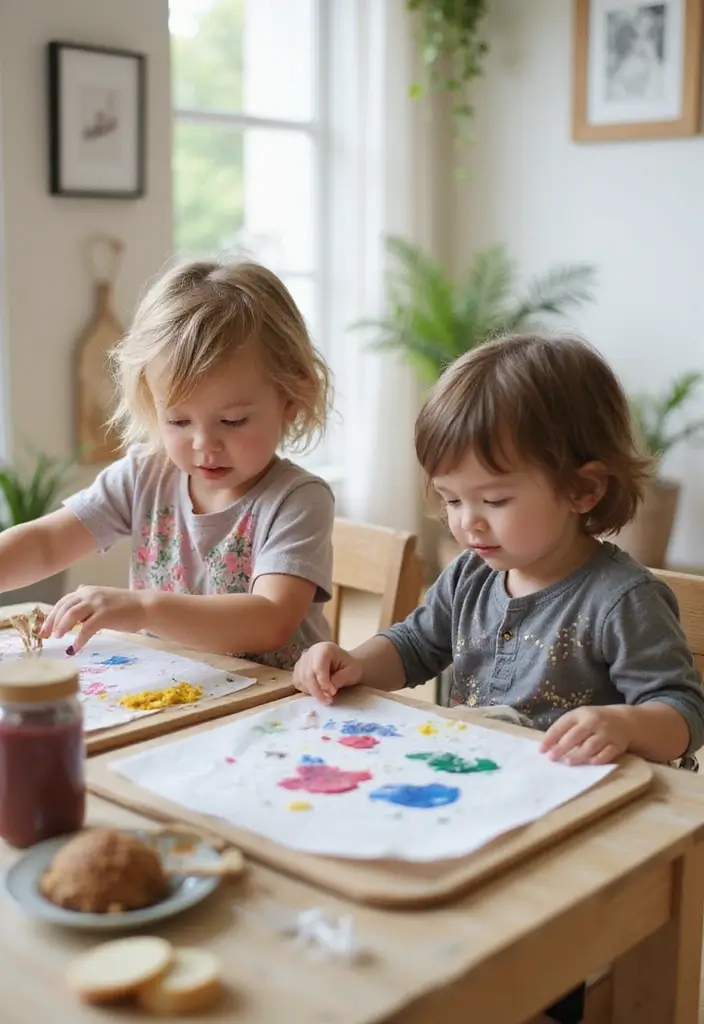
Set up an eco-friendly painting station stocked with sustainable supplies.
Use natural paints made from fruits, vegetables, or organic dyes for a fun and safe experience.
Incorporate recycled paper and brushes made from plant materials to enhance the eco-friendly aspect. This station will allow kids to explore their artistic skills while learning about sustainable practices.
– Include aprons made from organic cotton for easy cleanup.
– Encourage outdoor painting sessions to connect art with nature.
– Display their best pieces in the playroom for everyone to admire.
25. Nature Observation Corner

Create a nature observation corner where kids can connect with the environment.
Incorporate binoculars made from recycled materials and a journal for recording their observations.
This corner can serve as a space for exploration and learning about different plants, insects, and wildlife. It encourages children to appreciate and respect nature while having fun.
– Encourage outdoor sessions for real-life observation and journaling.
– Create a nature guide from recycled paper to help identify what they observe.
– Host nature-themed discussions to enhance their understanding.
26. Collaborative Building Areas
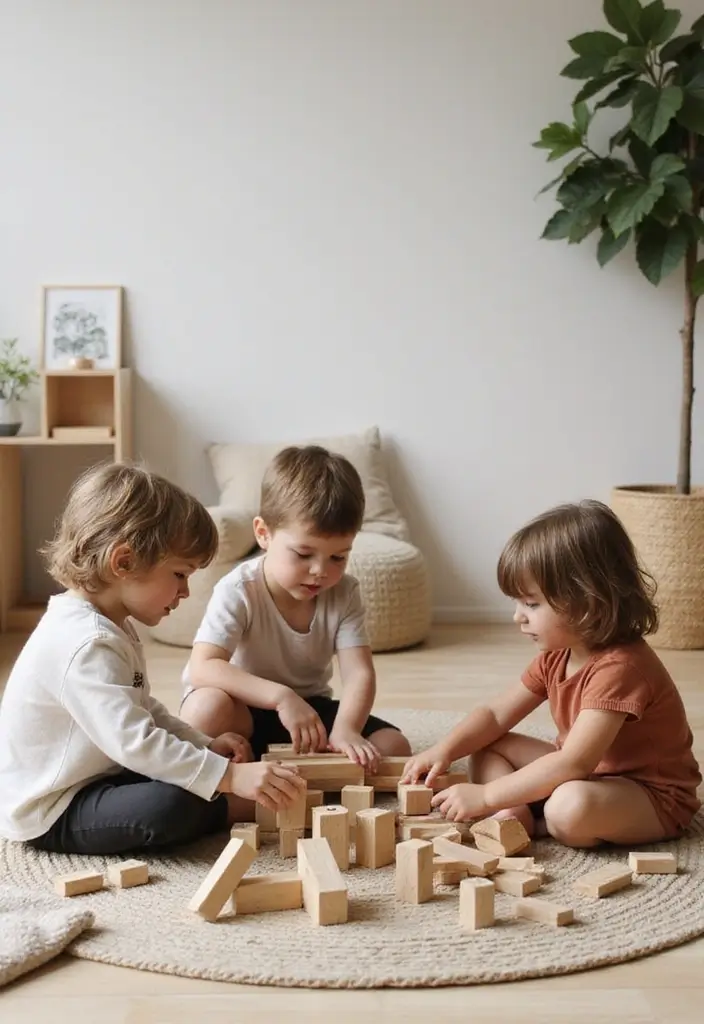
Set up collaborative building areas where kids can work together on projects.
Use eco-friendly blocks or construction sets made from recycled materials for creative expression.
Encourage teamwork while building structures, teaching problem-solving skills and cooperation. This space can promote social interaction and shared creativity.
– Create themed challenges to spur creativity, like building the tallest tower.
– Incorporate design elements that reflect sustainability, like houses made from recycled materials.
– Document their projects with photos to celebrate their work.
27. Seasonal Decor Changes
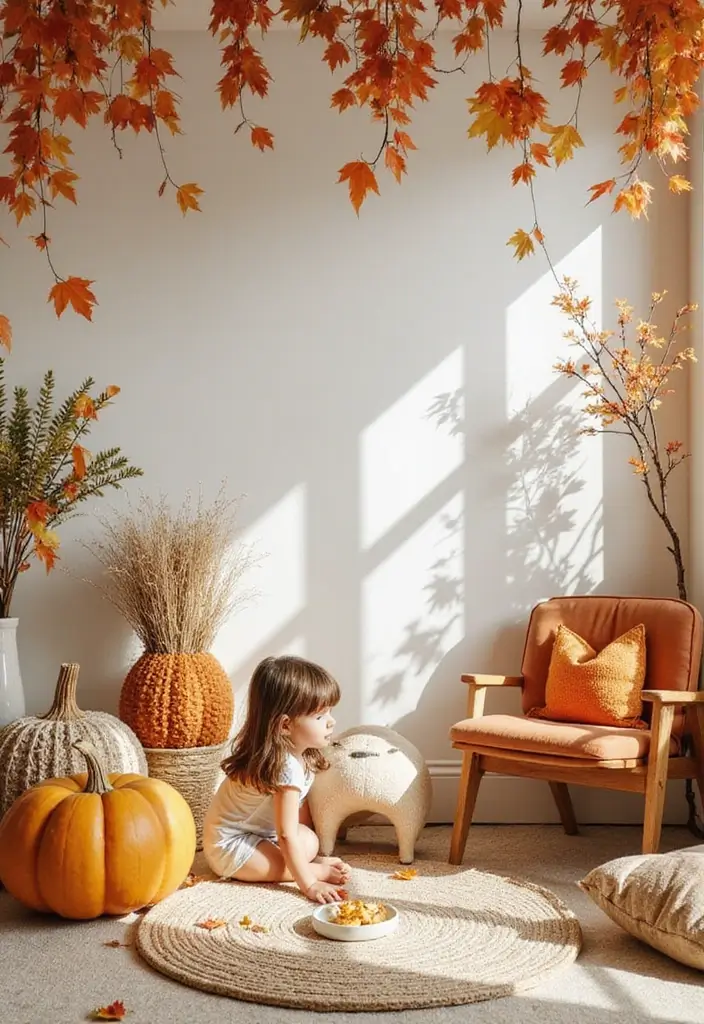
Change decor with the seasons to keep things fresh and exciting.
Using natural materials like leaves, pinecones, and flowers can create seasonal decorations that children can help craft.
This approach teaches kids about the seasons while adding color and vibrancy to the playroom.
– Create a special area for seasonal crafts that reflect the current time of year.
– Encourage kids to gather materials during outdoor activities for crafts.
– Rotate decor and themes to keep their interest piqued.
28. Imaginative Role-Playing Areas
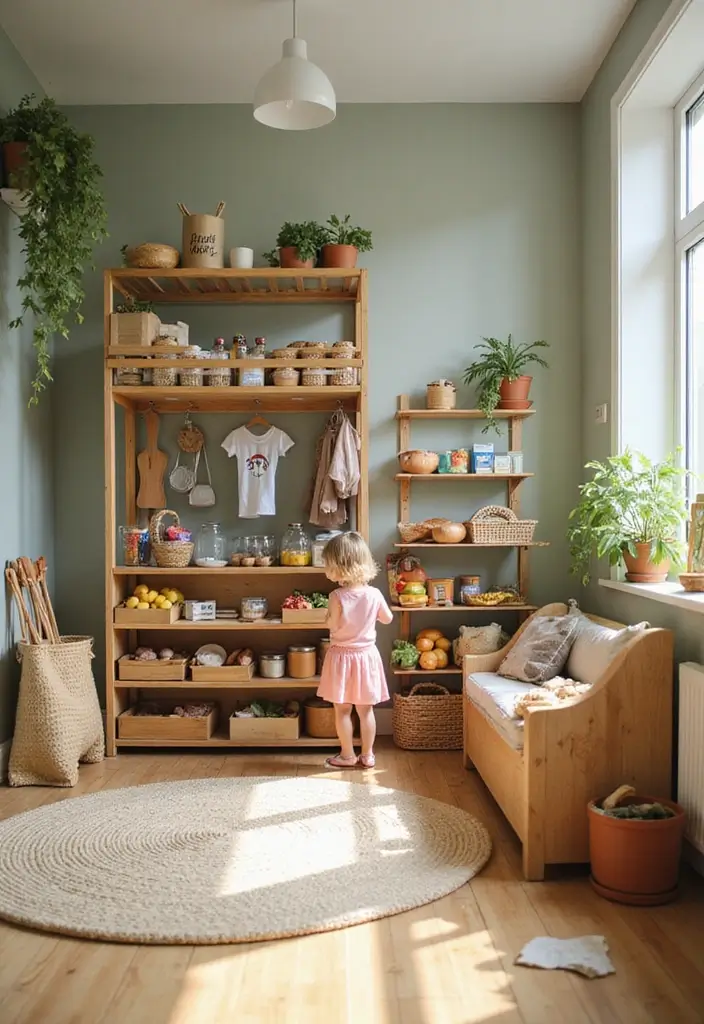
Incorporate imaginative role-playing areas where kids can act out their dreams.
Set up spaces for activities like a mini grocery store, a vet clinic, or a space station using eco-friendly materials.
Role-playing sparks creativity and encourages exploration of different careers and professions. Let kids create their own stories and narratives while playing.
– Provide costumes made from natural fabrics for a realistic experience.
– Rotate role-playing scenarios regularly to keep things engaging.
– Encourage kids to create props from recycled materials.
29. Community Art Projects
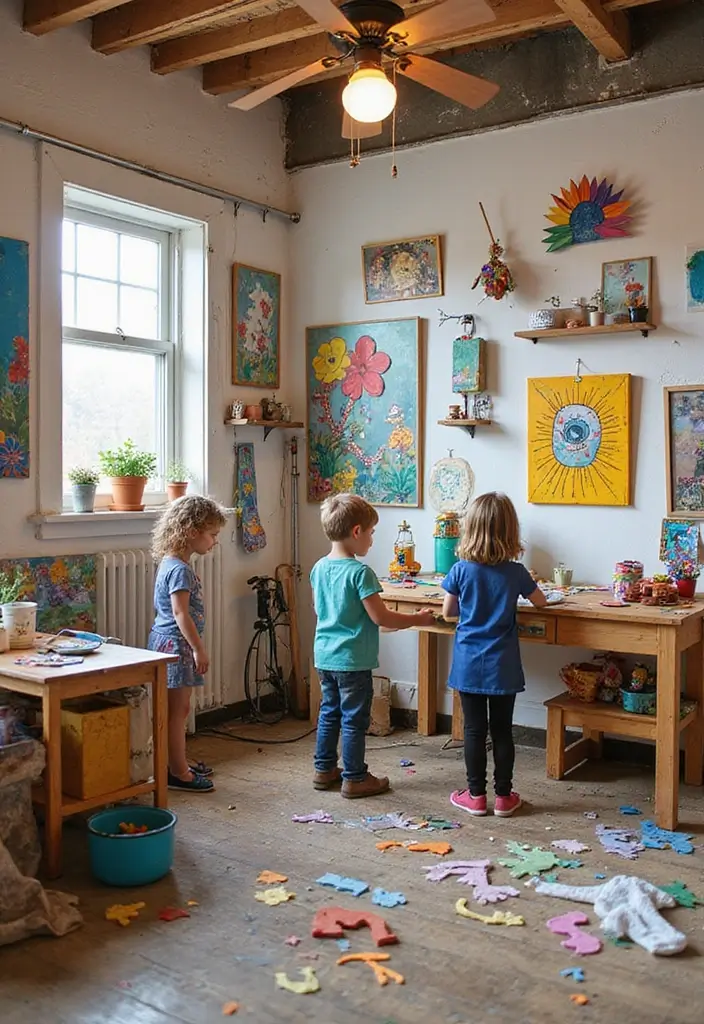
Engage in community art projects that encourage collaboration and creativity.
Involve kids in creating large-scale murals, sculptures, or installations using repurposed materials. This not only teaches them about art and teamwork but also connects them to their community.
– Use natural materials or upcycled elements to enhance the eco-friendly aspect.
– Encourage kids to express their ideas for community projects.
– Document the process and celebrate their achievements publicly.
Art is more than just a creation; it’s a bridge to our community. Engage your kids in collaborative projects, and watch them transform recycled materials into masterpieces that inspire teamwork and creativity!
30. Personalized Growth Charts
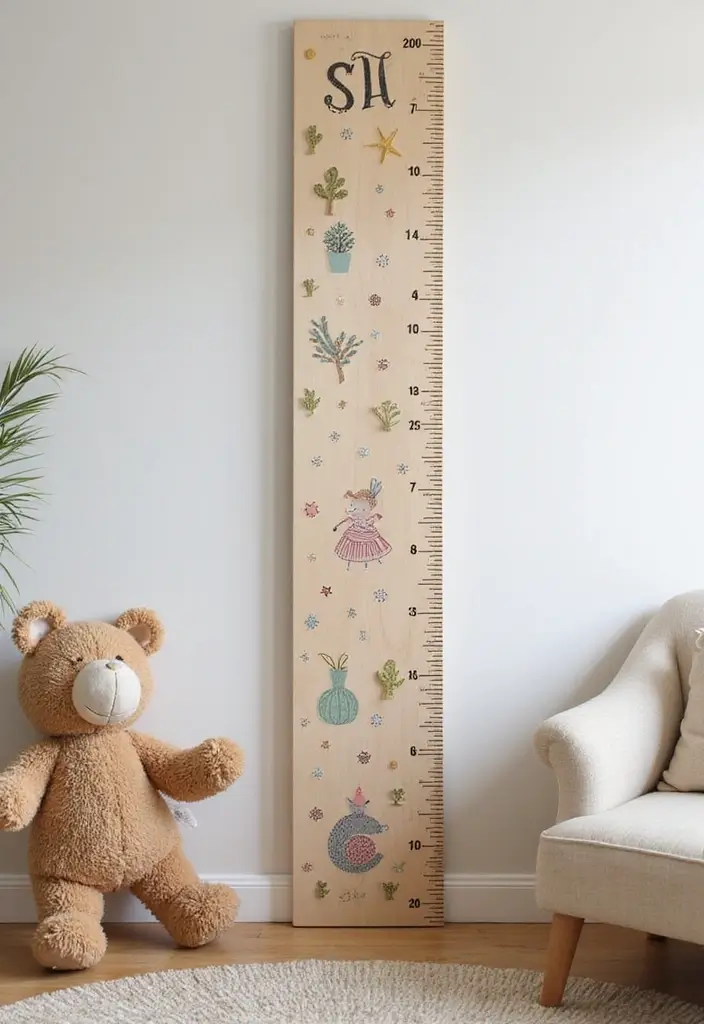
Add a personalized growth chart to track your child’s development in a fun way.
Use natural wood or fabric to create a chart that can be updated regularly. This serves as a beautiful reminder of their growth while promoting a sense of accomplishment.
– Decorate the chart with meaningful designs or quotes for added inspiration.
– Include spots for kids to mark their height over time, turning it into a cherished keepsake.
– Involve kids in the decorating process to make it uniquely theirs.
Conclusion
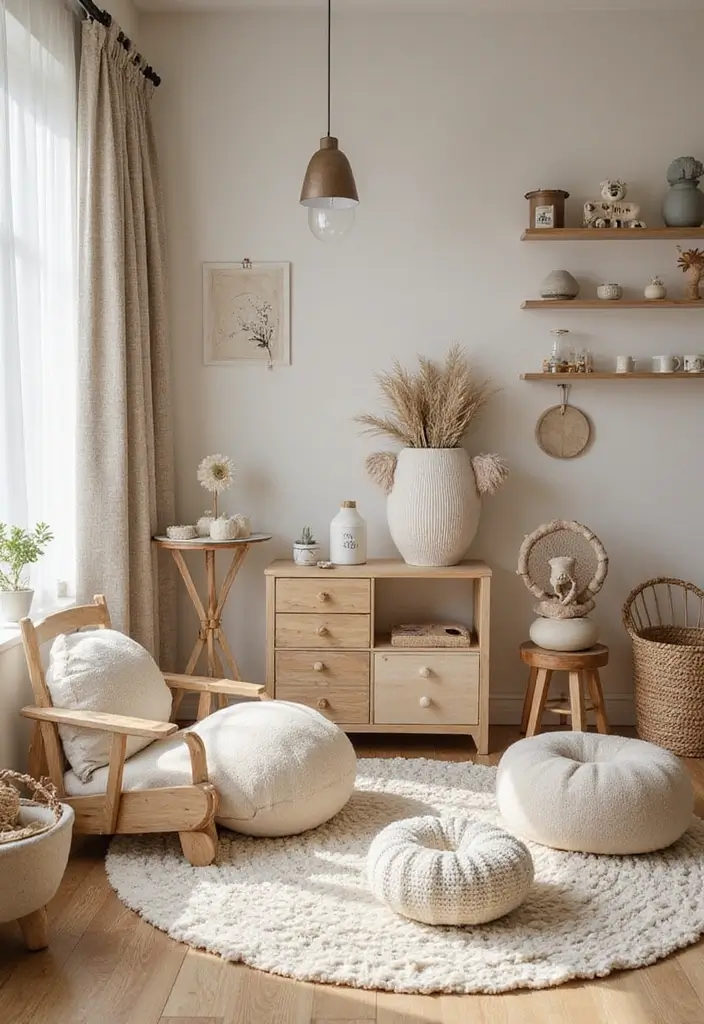
Creating an eco-friendly kids’ playroom can be both fun and rewarding.
With these 30 innovative ideas, you can design a space that encourages creativity, organization, and sustainability.
As you embark on this adventure, remember that the ultimate goal is to create a joyful environment where your children can explore, learn, and grow.
Frequently Asked Questions
What are some eco-friendly materials I can use for a kids’ playroom?
Creating an eco-friendly kids’ playroom is all about selecting the right materials! Consider using reclaimed wood for furniture, which not only looks beautiful but also reduces waste. Choose non-toxic paints and finishes to keep the air safe for little ones. You can also incorporate natural textiles like cotton and linen for soft furnishings, ensuring a healthy environment for play.
How can I organize toys in my children’s playroom effectively?
Organization is key to a functional kids’ playroom! Use sustainable storage solutions like natural baskets or recycled bins to keep toys tidy. Labeling each bin helps kids learn where to put their items away after playtime. Consider creating a designated area for different types of toys, making it easy for kids to find what they need and encouraging them to clean up independently!
What are some creative playroom themes that inspire kids?
Incorporating playful decor themes can truly ignite your child’s imagination! Consider themes like space exploration, underwater adventures, or even a nature retreat. Use wall art made from recycled materials to enhance the theme and add fun elements like themed play stations for different activities. This way, your kids can immerse themselves in creative role-playing and learning!
How can I create an educational play space in the playroom?
Transforming part of the playroom into an educational play space is a fantastic idea! Set up interactive learning stations dedicated to subjects like science, art, and literacy, using eco-friendly materials. Incorporate books, puzzles, and DIY craft projects to engage your kids. By making learning fun and hands-on, you’ll inspire a love for knowledge that lasts a lifetime!
What are some fun DIY projects for an eco-friendly kids’ playroom?
DIY projects can add a personal touch to your kids’ playroom while being eco-friendly! Consider upcycling old furniture into playful pieces, like turning a dresser into a play kitchen. You can also create artistic expression walls using chalkboard paint or DIY sensory play zones with various textures. These projects not only save money but also allow your kids to participate in the creative process, fostering their imagination!
Related Topics
kids’ playroom
eco-friendly design
creative playroom ideas
children’s room organization
nature-inspired decor
upcycled furniture
educational play spaces
DIY sensory zones
playful themes
cozy reading corners
multi-purpose furniture
imaginative play areas