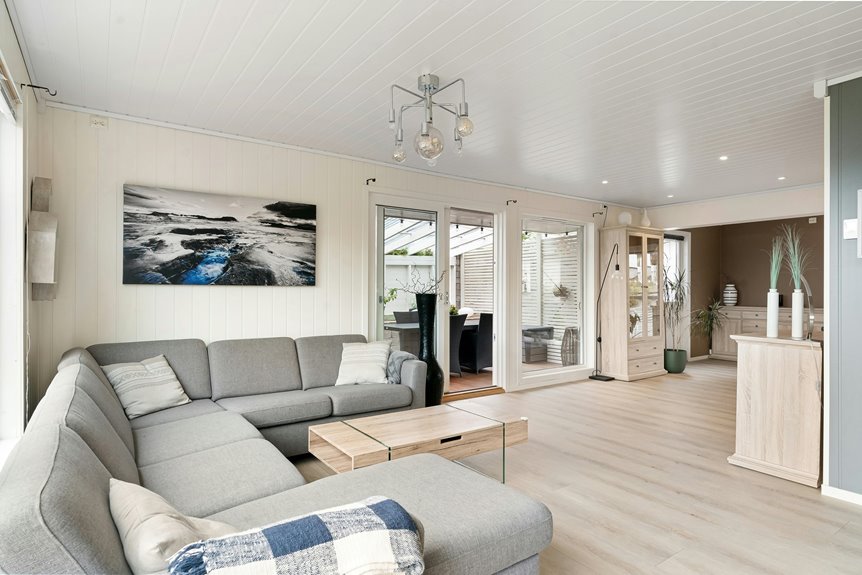
I’ve transformed my living room with PVC ceilings, and I’m genuinely impressed. They’re waterproof and resist mold, install in a single day without structural work, and clean up in minutes with just a damp cloth. They won’t crack during humidity spikes, cost 40% less than traditional options, and handle ceiling fans effortlessly. Plus, they last 10–15 years with minimal maintenance while looking premium. There’s much more to discover about why they’re worth considering.
Why PVC Ceilings Protect Your Home From Moisture and Mold
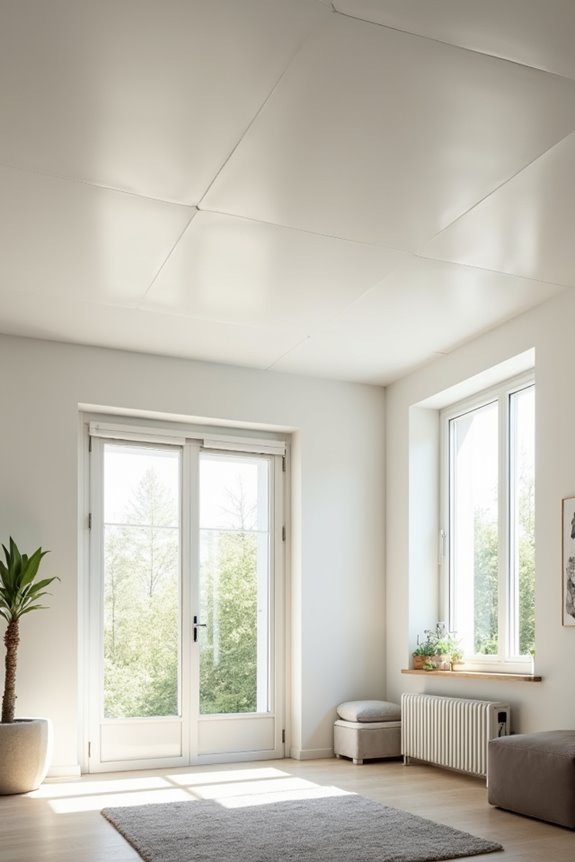
Why do so many homeowners choose PVC ceilings for bathrooms and basements? The answer is simple: moisture resistance and mold prevention.
I’ve found that PVC ceilings are 100% waterproof and don’t absorb moisture like traditional materials do. This matters because moisture creates the perfect environment for mold growth. With a PVC ceiling, you’re getting built-in protection.
The tongue-and-groove design is the true game-changer here. These interlocking panels seal joints tight, preventing water from sneaking through gaps where mold loves to hide. You’re essentially creating a moisture-resistant barrier that shields your home’s structure underneath.
Cleaning is effortless too—just wipe with a damp cloth. Unlike wood or gypsum ceilings that trap humidity, PVC actively resists mold and mildew. That means you’re protecting your family’s health while maintaining a hygienic space.
Quick Installation Means Less Disruption to Your Life
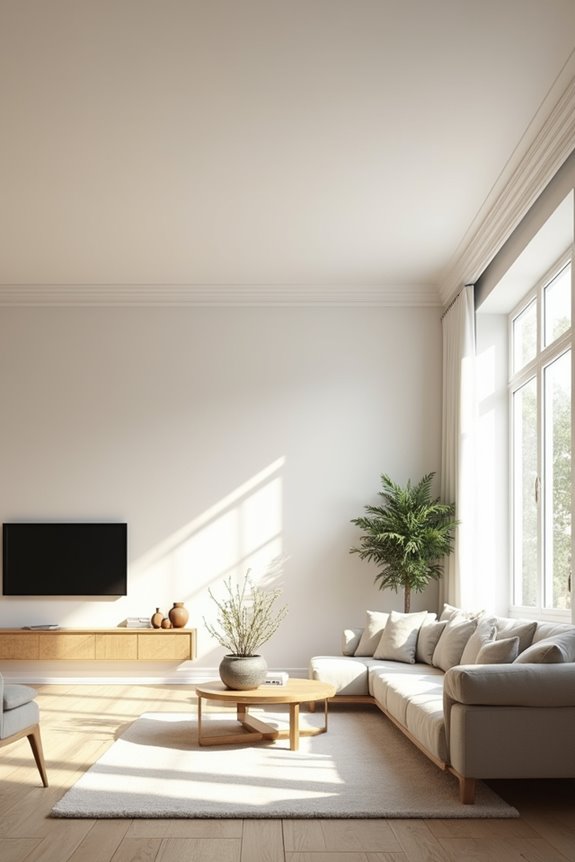
One of the best parts about choosing PVC ceiling panels? They’re installed fast. I’m talking about a single day—sometimes less. You won’t have workers tramping through your living room for weeks, creating dust and chaos everywhere.
PVC ceiling panels install in a single day or less—no weeks of workers, dust, and chaos disrupting your home.
The quick installation happens because PVC ceiling panels are lightweight and DIY-friendly. They weigh less than one-fifth of traditional gypsum, making them easy to handle and position. The tongue-and-groove system means panels lock together precisely without extensive finishing afterward.
You’ll appreciate the minimal disruption. No heavy equipment. No extended downtime. Your family stays comfortable while your ceiling transforms. Installation uses simple screws, clips, or adhesive on existing frames—no complicated processes required.
When you’re ready for future updates, these modular panels swap out easily. That’s genuine convenience worth celebrating.
Clean Your PVC Ceiling in Under Five Minutes
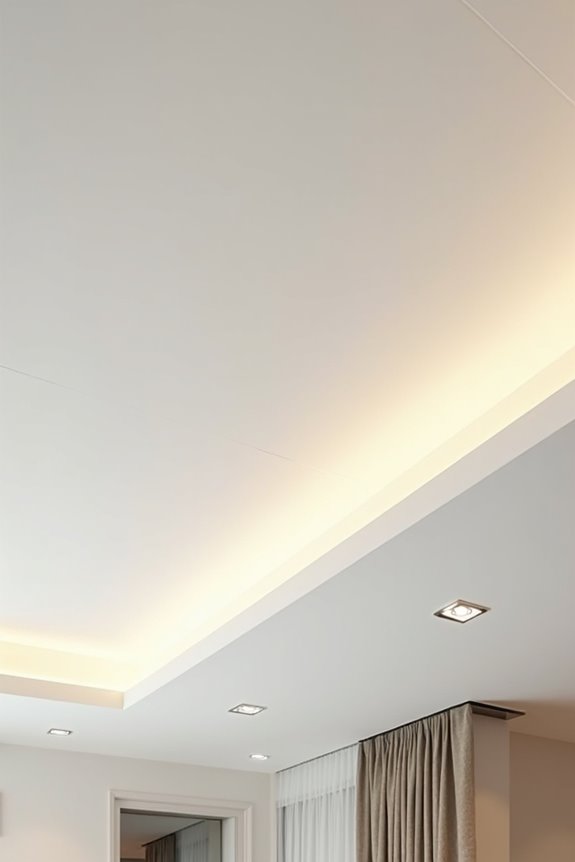
I’ve found that keeping your PVC ceiling pristine doesn’t require much effort—just grab a damp cloth and wipe away dust or marks in minutes, and you’ll be amazed how the smooth surface resists staining without needing harsh cleaners or paint touch-ups. I recommend using only gentle cleaning solutions like mild soap and water when you encounter stubborn spots, since PVC’s dense material won’t absorb moisture the way other materials do. I suggest doing a quick monthly inspection to check that fasteners stay secure and dust doesn’t build up in the interlocking edges, which takes just five minutes and keeps everything looking fresh.
Quick Damp Cloth Method
Keeping your PVC ceiling fresh doesn’t require special equipment or expensive cleaners—just grab a soft cloth, dampen it slightly with water, and you’re ready to go. Here’s what makes this cleaning method so practical:
- Use mild soap and water on your damp cloth for stubborn spots
- Wipe gently across the panel surface without scrubbing hard
- Let the moisture resistance of PVC work for you—it won’t absorb water
- Finish with a dry cloth to prevent water marks
The smooth, non-porous surface of PVC panels means dirt lifts away easily. You’ll complete maintenance on each panel in under five minutes. This quick cleaning approach keeps your living room ceiling looking great while protecting against moisture and mold buildup. No primers, no paints, no hassle.
Gentle Cleaning Solutions Only
The best way to keep your PVC ceiling looking pristine is to stick with gentle, simple cleaning solutions that won’t damage the surface. I’ve found that using a damp microfiber cloth works wonderfully for routine dust removal. When you encounter stubborn spots, here’s what I do: I mix a diluted mild detergent solution and apply it carefully to the problem area. Then I rinse thoroughly with a clean damp cloth to prevent any residue buildup.
This approach keeps your PVC ceilings safe from scratches and deterioration. Gentle cleaning protects that smooth, glossy finish you love. After wiping, I always dry the surface with a clean towel to prevent water spots. You’ll be amazed how quickly this simple routine maintains your ceiling’s appearance. It’s really that easy to preserve your investment.
Monthly Inspection And Maintenance
How often do you actually look up at your ceiling? I’ve found that a quick monthly check keeps my PVC ceiling panels in great shape. Here’s my simple routine:
- Wipe surfaces with a damp cloth to remove dust and fingerprints
- Check interlocking edges for tightness and gaps
- Look for any discoloration or yellowing from sunlight
- Verify all panels stay secure without loosening
This five-minute maintenance task protects your investment. Since PVC resists mold and mildew naturally, you’re already ahead. I appreciate how durability comes built-in. The inspection piece keeps everything aligned, preventing small issues from becoming big problems. Honestly, it’s the easiest maintenance I do around my home. You’ll feel proud knowing your ceiling’s staying beautiful without constant effort.
PVC Won’t Crack or Warp When Humidity Spikes
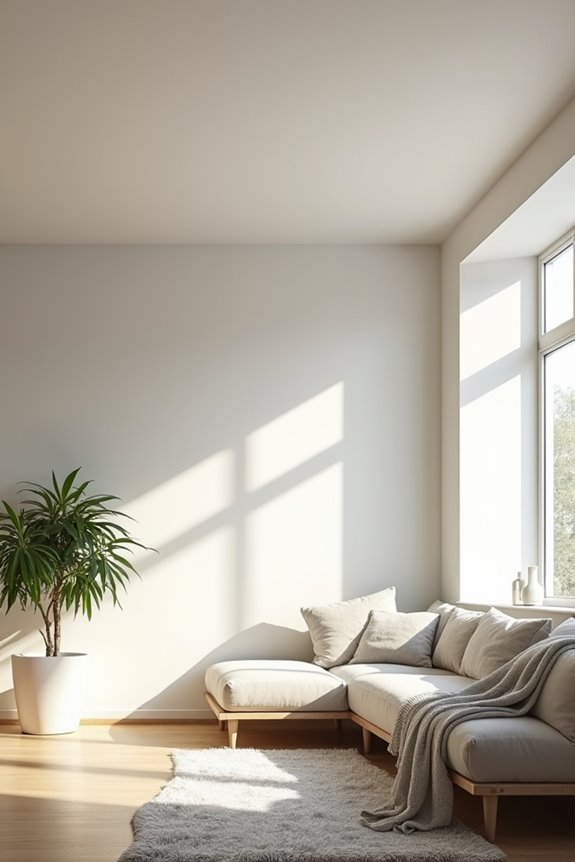
I’ll be honest—humidity swings in your living room can wreak havoc on traditional ceilings, but PVC won’t budge. Here’s why: PVC is completely waterproof and doesn’t absorb moisture like gypsum or wood does, so it stays flat and crack-free even when humidity spikes in summer or during steamy shower sessions. The interlocking joints seal tight against water, and the material’s built-in stabilizers keep it rigid, meaning you won’t watch your ceiling warp or develop those annoying stress cracks over time.
Humidity Stability For Ceilings
Ever noticed how wood ceilings start to sag or drywall begins to crack when moisture builds up in your home? That’s where PVC ceiling panels shine. Here’s why humidity stability matters for your living room:
- They stay put—PVC won’t swell or shrink when humidity spikes, keeping your ceiling looking fresh year-round.
- The tongue-and-groove system seals tight—this interlocking design minimizes water creeping in, protecting what’s above.
- Moisture resistance prevents mold—damp conditions won’t trigger that musty smell or unsightly growth.
- Minimal maintenance required—unlike traditional ceilings, you’re not repairing warping or reapplying coatings constantly.
Your living room deserves a ceiling that performs reliably. PVC ceiling panels deliver exactly that stability, whether humidity fluctuates seasonally or stays consistently high. You’ll enjoy peace of mind knowing your investment won’t deteriorate.
Material Durability In Moisture
While humidity stability keeps your ceiling from deteriorating, the real magic happens at the material level—PVC’s actual composition is what prevents warping and cracking in the first place. I’ve found that PVC ceiling panels resist bending and warping thanks to their lightweight, interlocking design that flexes with temperature and humidity changes rather than fighting them. When moisture spikes occur, your moisture resistance stays intact because PVC simply doesn’t absorb water like traditional materials do. The durability you’re investing in means no peeling, swelling, or structural distortion over years of use. Add a polyurethane or UV-resistant finish, and you’ve got a ceiling panels that’ll protect your living room against both moisture-related wear and fading. That’s the real durability story.
Costs 40% Less Than Gypsum or Wooden Ceilings
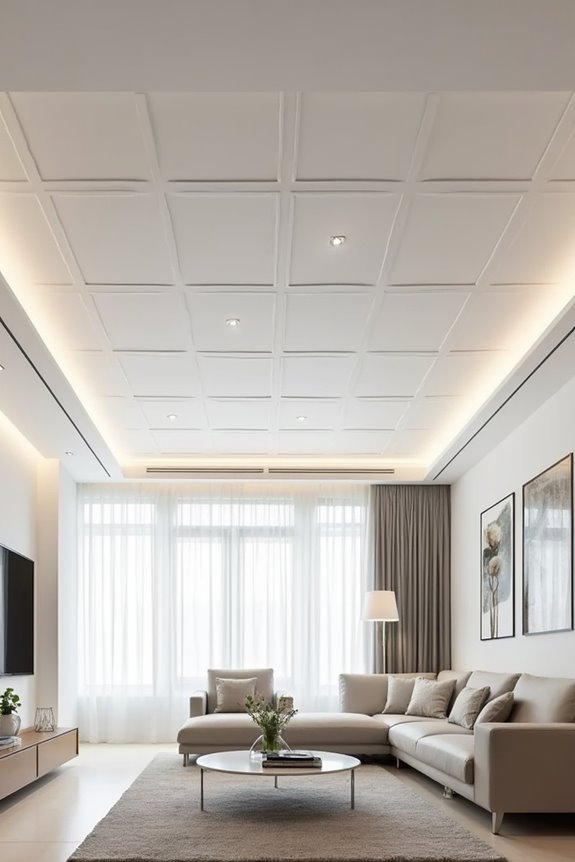
Most homeowners don’t realize they’re overspending on ceiling materials. I’m here to show you how PVC ceilings can transform your budget while upgrading your living room.
Most homeowners overspend on ceiling materials without realizing it. PVC ceilings transform your budget while upgrading your living room.
Here’s where you’ll see real cost savings:
- Material costs drop 40% compared to gypsum or wooden options, putting premium finishes within reach
- Installation happens faster with the tongue-and-groove system, cutting labor expenses significantly
- Lightweight panels reduce framing requirements, eliminating costly structural reinforcement
- Maintenance stays minimal, sparing you from repainting or repairs that drain your wallet
You’re not sacrificing quality for affordability. PVC delivers durability and style without the hefty price tag. The panels resist moisture, won’t crack or sag, and maintain their appearance for years. That’s smart spending that lets you invest savings elsewhere in your home.
Designs and Colors That Actually Match Your Living Room
What if your ceiling could be as stylish as the rest of your room? With PVC ceiling panels, it absolutely can be. You’ll find designs that match whatever aesthetic you’re going for. Want wood-finish panels that feel warm and inviting? They’re available. Prefer sleek, modern prints or designer patterns? You’ve got options. Plain panels work too if you’re keeping things simple.
Large panel sizes mean fewer visible joints, creating that seamless, upscale look you’re probably imagining. The reflective finishes on some panels actually brighten your space naturally, making your living room feel more open without extra lighting costs.
Here’s what makes this special: your ceiling finally becomes part of your design story instead of an afterthought. You’re not settling anymore. Your living room gets the cohesive, intentional look you deserve.
Lightweight Installation Requires No Structural Work
Here’s the thing about PVC ceiling panels—they’re so light that you won’t need to reinforce your living room’s structure to install them. Unlike traditional gypsum board, these panels weigh less than one-fifth as much, which means your existing walls and frame can handle the job without upgrades.
Installation is straightforward:
- Measure your ceiling space and existing frame
- Snap the interlocking tongue-and-groove panels into place—no tools required
- Skip expensive structural reinforcement entirely
- Complete your project in a single day
You’re looking at minimal labor costs and zero headaches with construction crews. The lightweight nature of PVC panels makes them perfect for retrofit projects. You’ll get professional results without disrupting your home or draining your wallet.
Lasts 10–15 Years With Almost No Maintenance
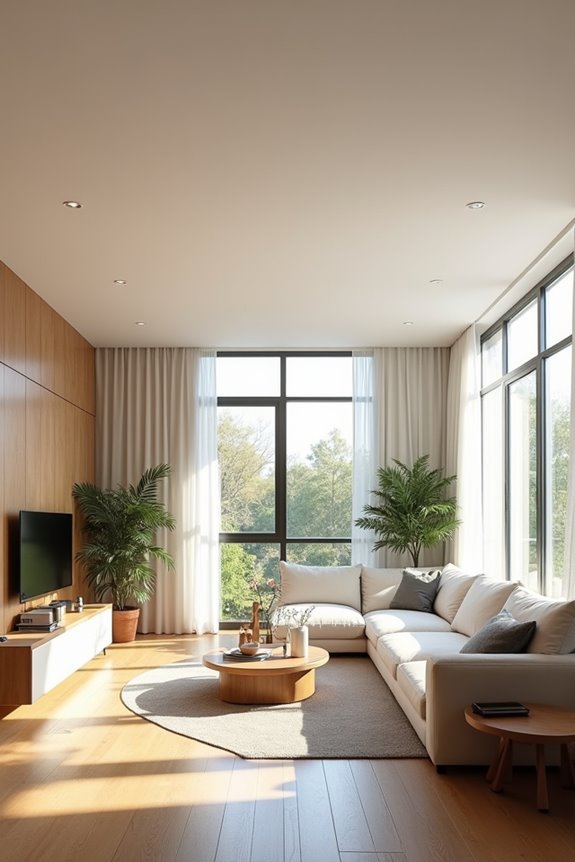
After you’ve installed your lightweight PVC panels without breaking a sweat, you’ll appreciate an even bigger payoff: they’ll keep looking great for a decade or more.
Here’s what makes PVC ceilings such smart long-term investments:
| Feature | Benefit | Your Result |
|---|---|---|
| 10–15 year lifespan | Extended durability | Fewer replacements |
| Moisture resistance | Prevents mold growth | Healthier home |
| Easy cleaning | Minimal maintenance | More free time |
| No painting needed | Built-in finish | Lasting appeal |
| Lightweight construction | Reduced wear | Sustained integrity |
You’ll simply wipe your panels occasionally with a damp cloth and mild soap. That’s it. Unlike traditional ceilings requiring constant touch-ups, PVC ceilings resist warping and discoloration. Their moisture resistance keeps humidity from damaging your investment, especially in living rooms with fluctuating temperatures.
You’re joining countless homeowners who’ve discovered that PVC delivers real, hassle-free durability.
Handles Ceiling Fans and Light Fixtures Without Extra Support
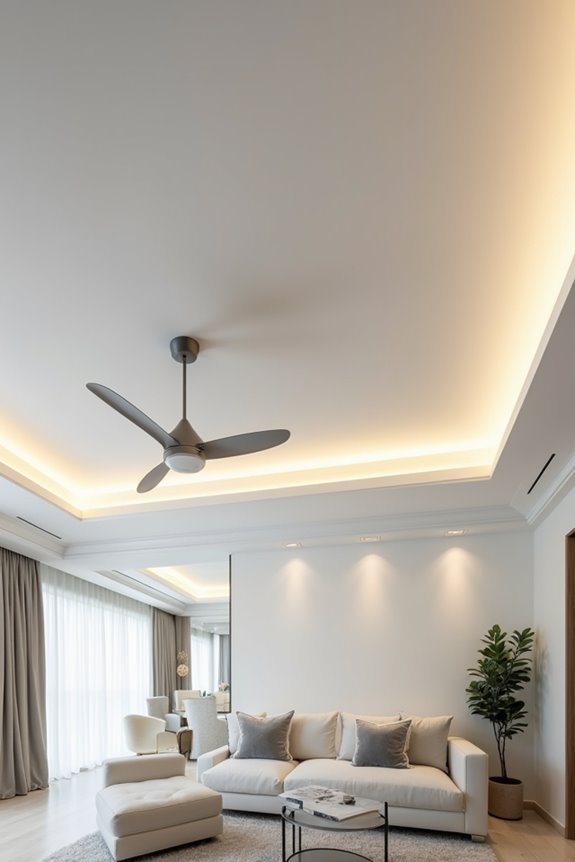
One of the best surprises about PVC ceilings is how well they handle the fixtures you actually want to install. You won’t need extra support beams or complicated reinforcement—I promise.
Here’s what makes it work:
- PVC ceiling panels mount securely to wooden or metal frames using proper screws and clips
- Their lightweight design reduces strain on your entire ceiling structure
- Tongue-and-groove edges let you position fixtures without extensive cutting or gaps
- Correct bracket placement prevents sagging and distributes weight evenly
I’ve seen homeowners install ceiling fans and chandeliers without worry. The key is following manufacturer guidelines and spacing fixtures across multiple support points. You’re not fighting against your ceiling; you’re working with a system designed for this. That’s genuine peace of mind.
Premium Appearance Without the Premium Price Tag
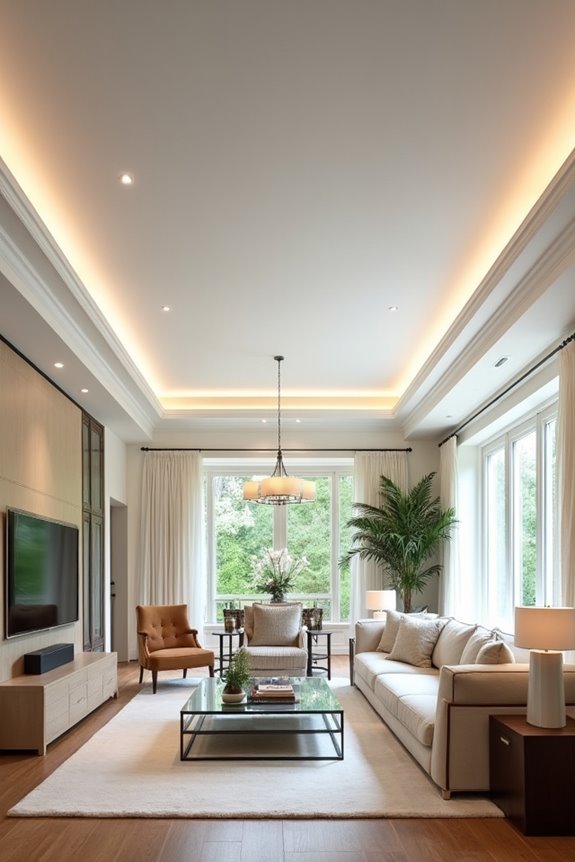
I’ll show you how PVC ceiling panels let you achieve that luxurious, designer look without draining your wallet. You’re getting premium aesthetics—think wood finishes, laminated textures, and custom prints—at a fraction of what traditional high-end materials cost. The best part is this affordability doesn’t sacrifice durability or style; your investment stays beautiful and functional for years while giving your living room that upscale feel you want.
Designer Aesthetics At Lower Cost
Why does a beautiful ceiling have to drain your wallet? I’ve discovered that PVC ceiling panels deliver designer aesthetics without the designer price tag. Here’s what makes them so smart:
- Wood-finish and patterned options mimic expensive materials instantly
- Large interlocking panels create seamless, upscale looks in hours
- Lightweight installation means lower labor costs for professionals or DIYers
- Maintenance-friendly surfaces stay showroom-fresh with minimal effort
You’re getting that sophisticated, contemporary vibe you’ve always wanted. The premium look comes through in textures and patterns that rival costly alternatives. Installation is straightforward, so you’ll spend less on labor. Plus, these panels need simple cleaning—no repainting projects draining your time and budget. It’s genuinely achievable to transform your living room into something magazine-worthy.
Long-Term Value And Durability
Beyond the immediate transformation you’ll see in your living room, PVC ceiling panels keep delivering value for years. You’re looking at 10–15 years of durability with minimal maintenance, which means fewer repainting projects and lower upkeep costs.
| Benefit | Cost Impact | Timeline |
|---|---|---|
| Durability | Reduces replacements | 10–15 years |
| Water resistance | Prevents damage | Ongoing |
| Humidity resistance | Stops warping | Ongoing |
| Low maintenance | Saves labor | Annual |
| Mold prevention | Extends life | Ongoing |
Here’s what makes this genuinely smart: humidity-prone living spaces won’t deteriorate your ceiling. The water and mold resistance means your investment actually strengthens over time. You’ll appreciate skipping constant repairs while your ceiling maintains that polished finish you installed.
Versatile Styles For Every Budget
What if you could get that designer ceiling look without the designer price tag? I’m here to tell you it’s totally possible with PVC ceiling panels. You’ve got real options for your living room design without breaking the bank.
- Plain panels offer clean, modern vibes at rock-bottom prices
- Printed and designer options give you personality and style
- Wood-finish varieties bring warmth without solid wood costs
- Laminated choices provide sleek, sophisticated finishes
These versatile styles mean you’re not stuck choosing between what you love and what you can afford. The interlocking tongue-and-groove edges make installation quick and budget-friendly. Whether you want trendy 3D textures or classic finishes, PVC ceiling panels deliver premium appearance without that premium price. You’ll feel confident knowing you’ve made a smart choice for your space.