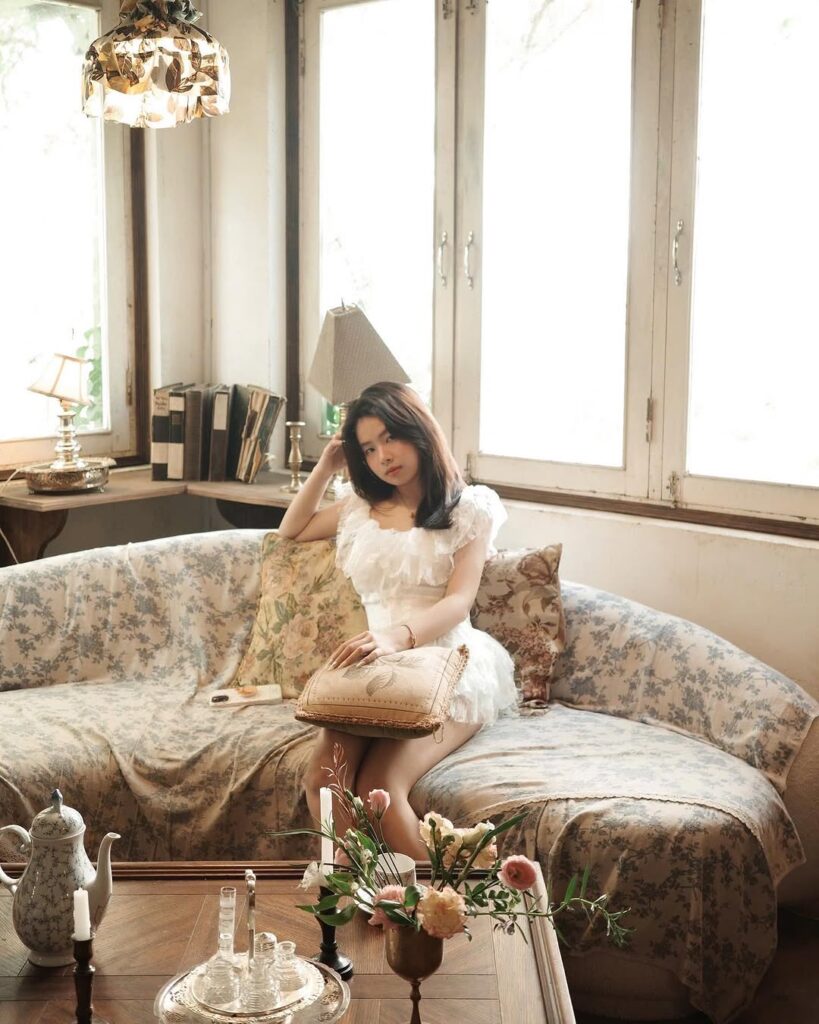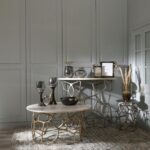
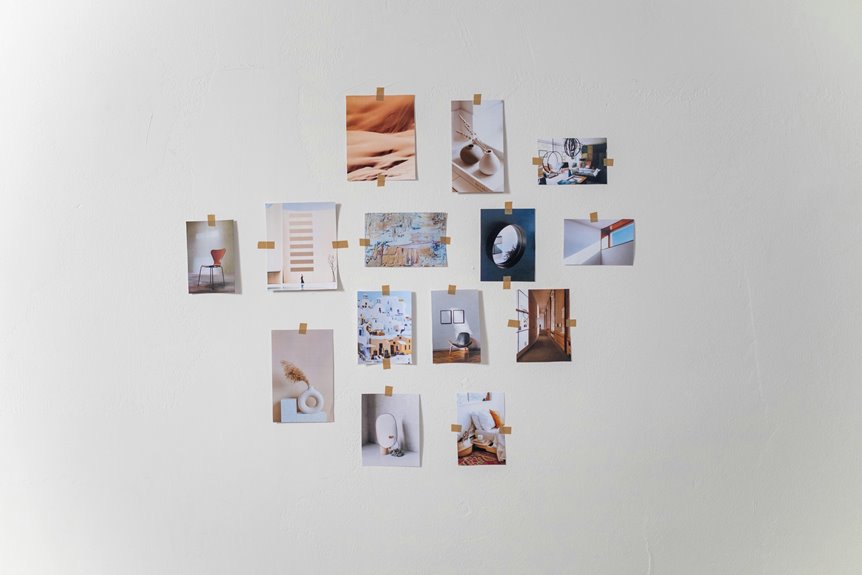
Transform that empty wall by starting with one large artwork (3′ by 5′ or bigger) as your focal point, then consider a rotating gallery wall using rails for flexibility. You could build functional storage that doubles as display, add architectural texture with molding, or layer a console table with a mirror and art. Collections reflecting your taste work beautifully too. Sometimes, though, leaving walls intentionally empty creates breathing room. The right choice depends on what your room truly needs—and we’ll explore each approach in detail.
Lead With One Large Artwork
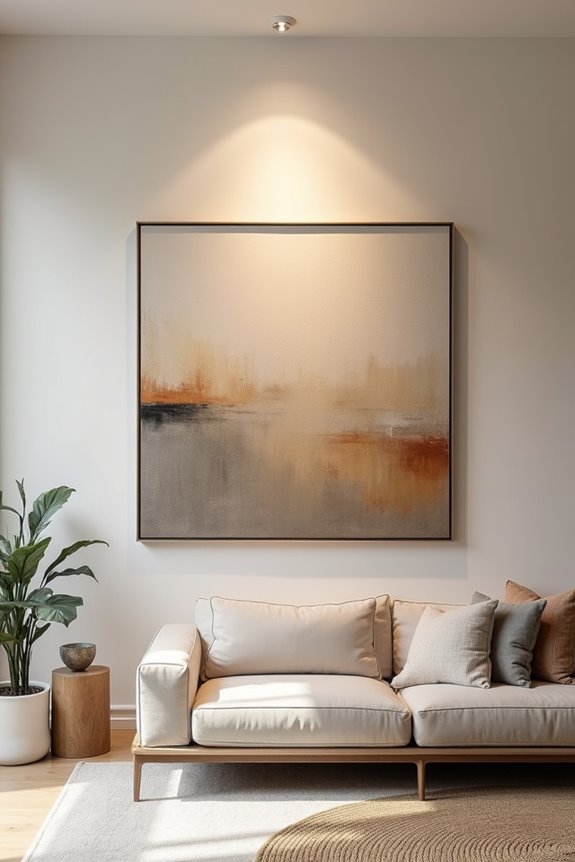
How do you transform a bare wall into something that stops people in their tracks? Start with one large artwork—think 3′ by 5′ or bigger. This creates an instant focal point that anchors your entire room.
Start with one large artwork—3′ by 5′ or bigger—to create an instant focal point that anchors your entire room.
Here’s what I’d do: Pick a piece within the $400–$900 range for maximum impact without breaking your budget. Center it above your sofa or credenza to establish wall balance and avoid lopsided visual weight.
Next, add wall lighting. A picture light or wall sconces dramatically enhance the artwork’s colors and mood, making it truly shine.
Finally, consider your neutral backdrop. Soft wall tones let your large artwork take center stage, giving your space breathing room. This one bold piece? It’ll transform everything.
Create a Rotating Gallery Wall
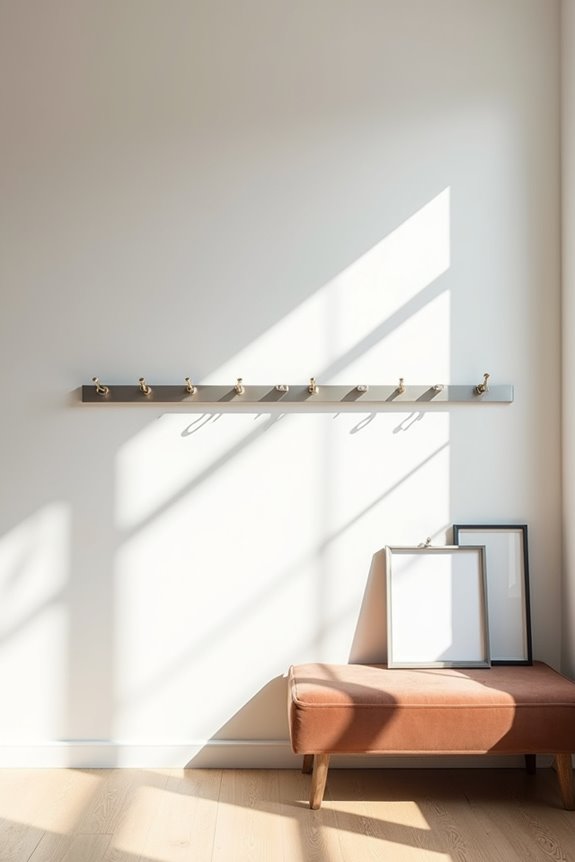
If you love switching things up—whether it’s swapping in new artwork, displaying your kids’ latest creations, or rejuvenating your space with the seasons—a rotating gallery wall is your answer.
I recommend installing an art rail or gallery rail system that lets you change pieces without reframing. Pair this with interchangeable frames or magnetic clip-in displays for easy swaps. Keep your wall feeling intentional by displaying fewer, larger pieces rather than crowding the space.
Here’s what makes this work: use neutral wall tones and consistent frame sizes to maintain harmony as you rotate new art in. Add adjustable lighting like a picture light to highlight your current display. This approach keeps your living room feeling fresh and personal without the overwhelm.
Build In Functional Storage That Doubles as Display
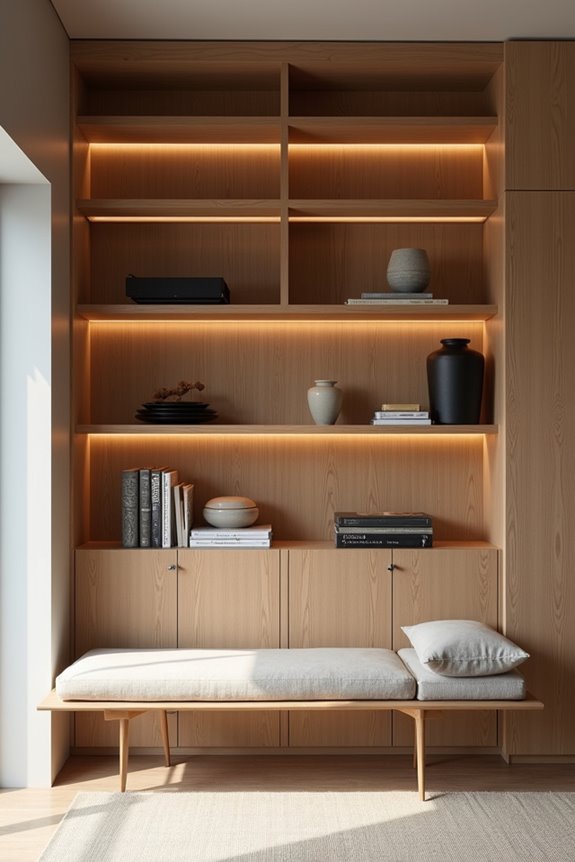
I’ve found that the smartest move for a blank wall is choosing storage that doesn’t hide away—it actually becomes your design. Think built-in shelving filled with pottery, plants, and framed photos, or a credenza topped with artwork that transforms everyday storage into a curated display. You’ll get the practical benefit of organizing your stuff while creating a focal point that feels intentional and stylish.
Storage Meets Visual Interest
Built-in open shelving transforms a bare wall into a hardworking display area that serves double duty—storing your stuff while looking great doing it. I love how display niches within the built-ins let you highlight favorite pieces without overwhelming the space. You can arrange books, plants, and decorative objects at different heights to create visual rhythm.
A cozy bench underneath anchors the whole setup and gives you a perfect reading nook. Add lighting accents—like task lights positioned above or beside shelving storage—to enhance both readability and ambiance. Consider using modular units around 80 inches wide to fit your room’s layout while maintaining openness. This approach keeps your collection organized while making your living room feel intentional and inviting.
Functional Display Solutions
You’ve already got the shelving idea down, but there’s another angle that works beautifully: combining storage pieces with art or decor on top. I’ve found that a credenza or armoire anchors your wall while creating prime real estate for visual interest. Place a plant or artwork above it. This strategy lets you hide everyday clutter while showcasing what you love.
Floating shelves work similarly. They’re perfect for displaying vases, pottery, and sculpture alongside functional items. The key? Repeat shapes and colors to tie everything together. This repetition makes your wall decor feel intentional, not random.
Built-ins take this further. They offer dedicated display space for books and media while maintaining that organized, curated look. Your wall becomes both practical storage and a gallery of your personality.
Add Permanent Texture: Molding and Wallpaper
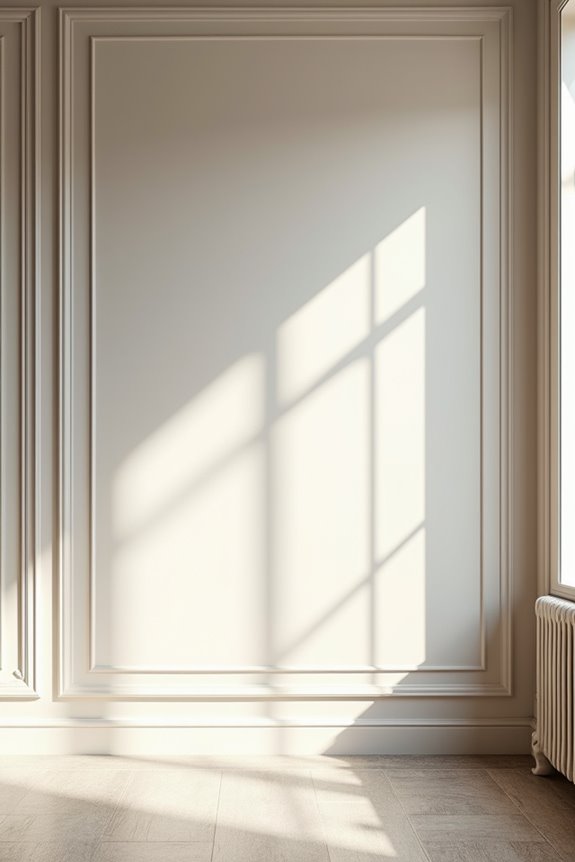
I’d recommend exploring wallpaper patterns and molding styles together, since they’re two of the quickest ways to transform a blank wall with personality and dimension. When you’re choosing wallpaper, you’ll want to consider whether you prefer bold geometric prints that make a statement or subtle textures that add warmth without overwhelming the room—and consider: removable options exist if you’re hesitant about commitment. For molding, simple techniques like board and batten or wainscoting boxes give you that architectural depth I mentioned earlier, and installing them involves basic tools and straightforward measurement if you’re feeling handy, or a professional can handle it in an afternoon.
Wallpaper Pattern Selection
How do you choose a wallpaper pattern that actually works with your space?
I’ve learned that finding the right wallpaper starts with intention. Here’s my approach:
- Build your color palette first. I pick two or three colors I love, then search for patterns within those shades. This keeps everything cohesive and prevents your wall from feeling chaotic.
- Consider scale carefully. Large patterns work best on bigger walls, while smaller patterns suit cozier spaces. I avoid patterns that compete with existing artwork or furniture.
- Test texture options. I sample both peel-and-stick and traditional wallpaper to see how each one feels in my lighting. Texture adds real depth that photographs miss.
- Plan for flexibility. I choose semi-permanent options when I’m unsure. This lets me experiment without commitment, adjusting my vision as my style evolves.
Molding Installation Techniques
When you’re ready to add real depth to a blank wall, molding becomes your best friend. I’ve found that board and batten trim works wonderfully for foyers and stairwells, costing roughly $15 for a dramatic effect. Wainscoting creates smaller panels that balance large walls beautifully without overwhelming your space. For something softer, shiplap introduces horizontal texture that feels warm and inviting. Here’s my molding installation approach: first, test trim samples on your wall. Second, use backer boards on uneven surfaces. Third, apply extra caulk for clean edges. When combining molding with texture like orange peel walls, these steps ensure professional results. You’ll transform that empty wall into something distinctly yours, and honestly, it’s simpler than you’d think.
Layer a Console Table, Mirror, and Art
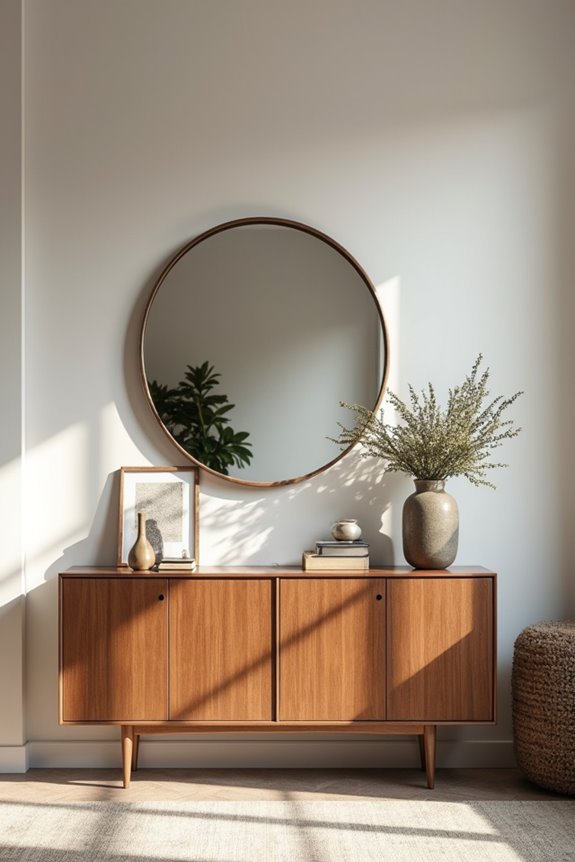
You can transform a blank wall by combining three pieces that work together beautifully: a console table, a mirror, and artwork.
Here’s how I’d approach this:
- Choose your console table first. Pick a mid-century or sculptural style that fits your space. A long, low design works wonderfully.
- Add a statement mirror or art piece. I’d pair the console with either a tall wall mirror on one side or a single bold artwork above it. This creates your focal point and makes the room feel larger.
- Balance with asymmetry. Mix different scales and heights. The oversized vertical mirror or artwork anchors everything beautifully.
- Include lighting and accessories. Mount wall sconces or add picture lighting to highlight drama. Top your console table with a vase, sculptural object, and small plant for texture and color.
Hang Collections That Reflect Your Taste
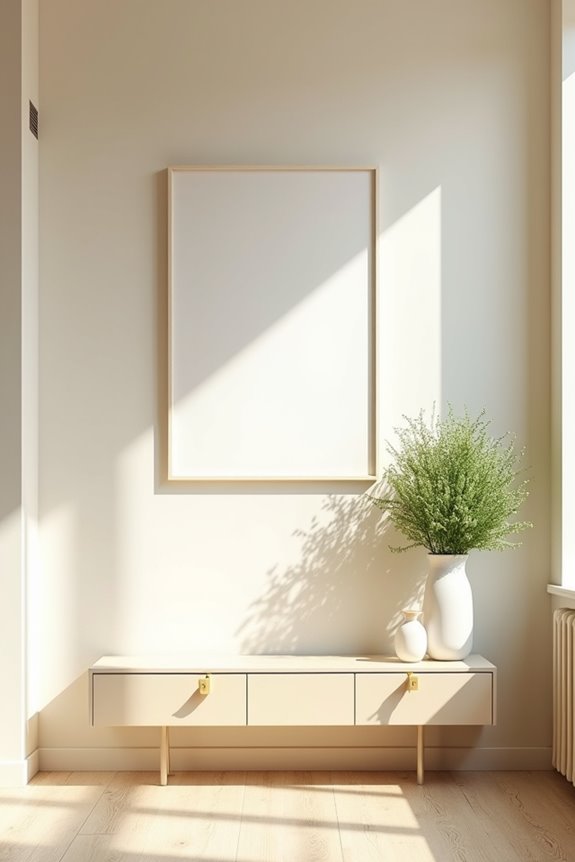
Why settle for matching frames when your wall can tell your story?
Why settle for matching frames when your wall can tell your unique story and reflect who you truly are?
Create a gallery wall that’s uniquely yours by mixing large-scale art with smaller frames. I arrange my pieces differently—vintage travel photos next to modern prints, textured grasscloth frames beside simple wood ones. Each item matters because it represents a memory or moment I cherish.
Start by layering varied sizes across your wall. Place a dominant large-scale piece as your anchor, then build around it with smaller frames. This approach creates rhythm and keeps things visually interesting.
Add lighting with a picture light or sconces to highlight key pieces. Good lighting draws attention to your collection and ties everything together cohesively.
Your gallery wall becomes more than decoration—it’s storytelling. Every frame, every photograph reflects who you are, making your living room feel authentically yours.
Know When to Leave Walls Empty
Not every blank wall deserves to be filled—and that’s okay. I’ve learned that empty walls actually create breathing space, which helps your room feel balanced instead of cluttered.
Before decorating, ask yourself these questions:
- Does this wall support seating, storage, or traffic flow?
- Will filling it disrupt your room layout or furniture placement?
- Does your space already feel visually busy?
- What purpose would this wall truly serve?
Sometimes leaving a wall empty is the smartest choice. You might discover that your room functions better without additional decor competing for attention. Think of empty walls as intentional design decisions, not missed opportunities. They give your eyes a place to rest and let your other design elements shine. Trust your instincts about what your space actually needs.