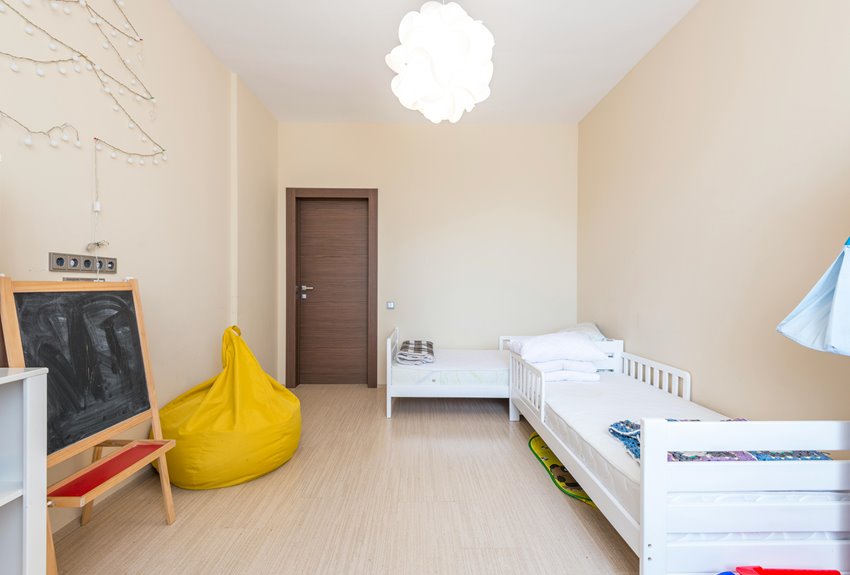
CPS doesn’t mandate separate bedrooms by age, but standards require at least 74 square feet per child, 7.5-foot ceilings, and one outside window. If kids share, you’ll need privacy solutions like curtain dividers and labeled storage bins. Each child gets their own bed with weekly clean sheets. Foster parents face stricter rules than typical families, so proper documentation of your setup matters. The specifics of what inspectors actually look for during assessments reveals where most families struggle.
If You’re a Foster Parent: Higher Standards You’ll Face
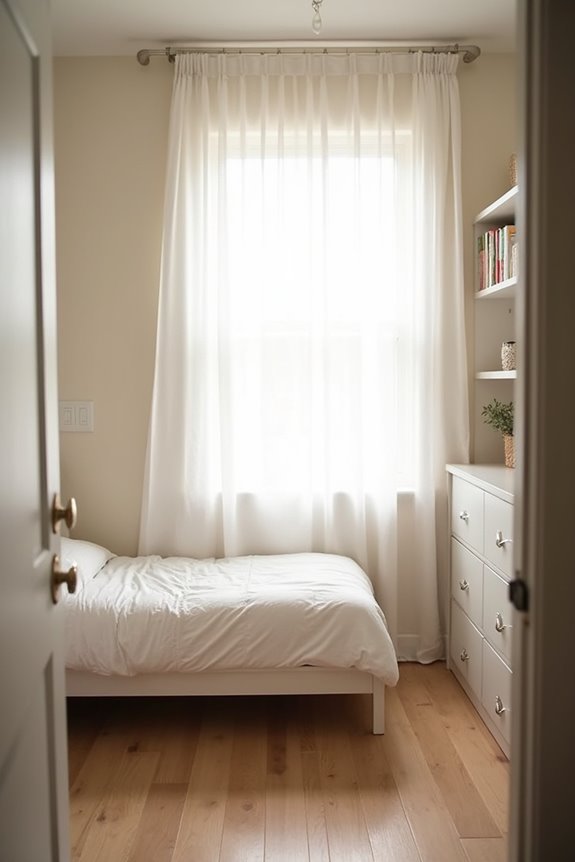
Why do foster homes need stricter bedroom rules than regular houses? When you’re a foster parent, you’re held to higher standards because you’re caring for vulnerable children. Foster care bedroom standards go beyond what typical families follow.
You’ll need to meet specific requirements: adequate square footage per child, proper ceiling height, and limits on how many kids share a room. Each child needs their own bed, clean sheets changed weekly, and personal storage space. Safety matters too. You’re required to secure medications and hazardous items carefully.
These rules exist for good reason. They ensure every foster child has privacy, comfort, and protection. It’s demanding work, but you’re providing stability these kids desperately need. The standards reflect how seriously we take their wellbeing.
Texas CPS Has No Mandatory Age for Separate Bedrooms
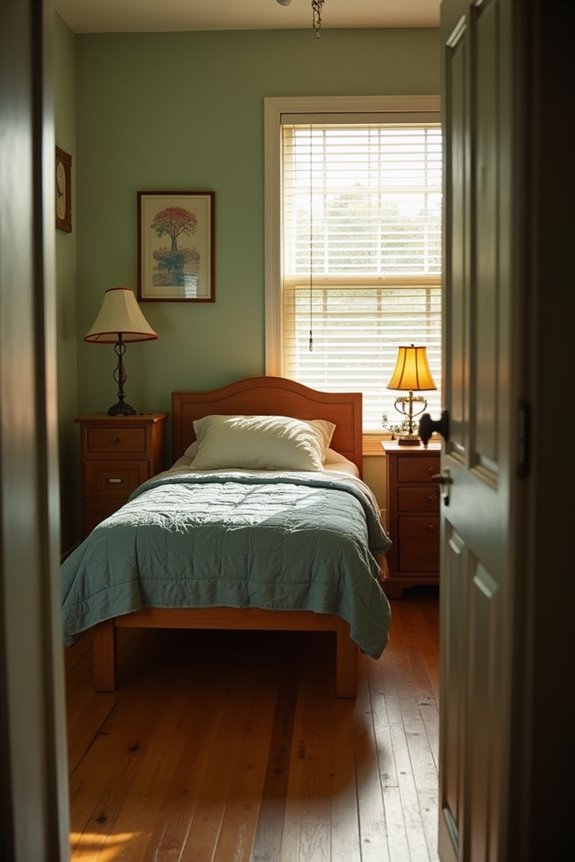
Unlike foster care, which has strict bedroom rules, regular Texas households have much more freedom when it comes to sleeping arrangements. You won’t find a mandatory age when your child must have a separate bedroom. Instead, Texas CPS leaves this decision entirely to you based on your family’s space, needs, and values.
Your kids can share bedrooms without any legal concerns. Privacy standards don’t apply to non-foster homes under Texas law. Whether siblings bunk together or your teenager has their own space depends on what works best for your household.
This flexibility recognizes that families look different. Some homes have limited space. Others prefer communal sleeping for cultural or practical reasons. The key point: CPS won’t penalize you for shared sleeping arrangements in typical family settings.
CPS Square Footage and Ceiling Height Requirements
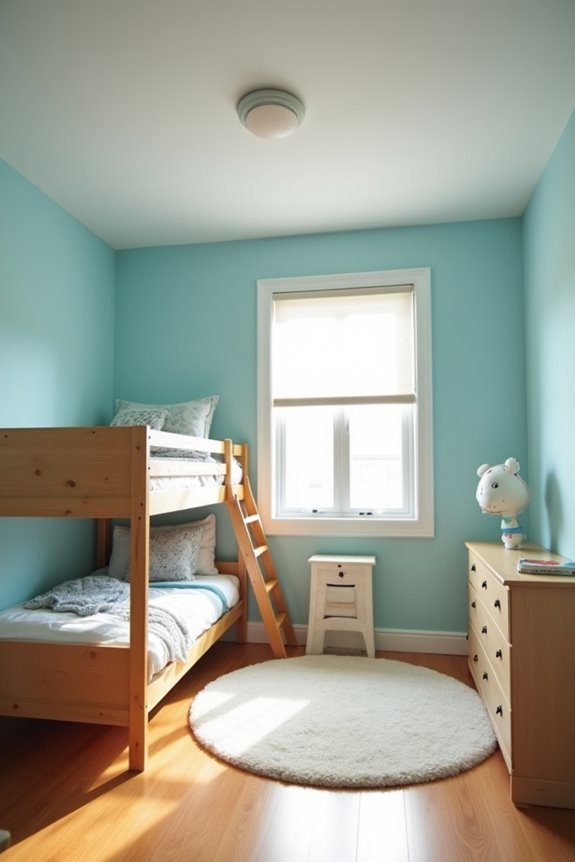
What’s the actual space your child’s bedroom needs to meet CPS standards? I’ll break it down simply. Your child’s bedroom must provide at least 74 square feet for them. If they’re sharing with a sibling, you’ll add 50 square feet for each additional child in that room.
Beyond square footage, the ceiling height matters too. You’ll need a minimum of 7 feet 6 inches tall—roughly the height of a doorway plus a few inches.
Here’s what’s important: these requirements apply to bedrooms in a CRC facility. If your facility was certified after the effective date, you must comply. Older facilities might have an approved variance, but newer ones follow these standards strictly.
CPS-Required Safety Features in Children’s Bedrooms
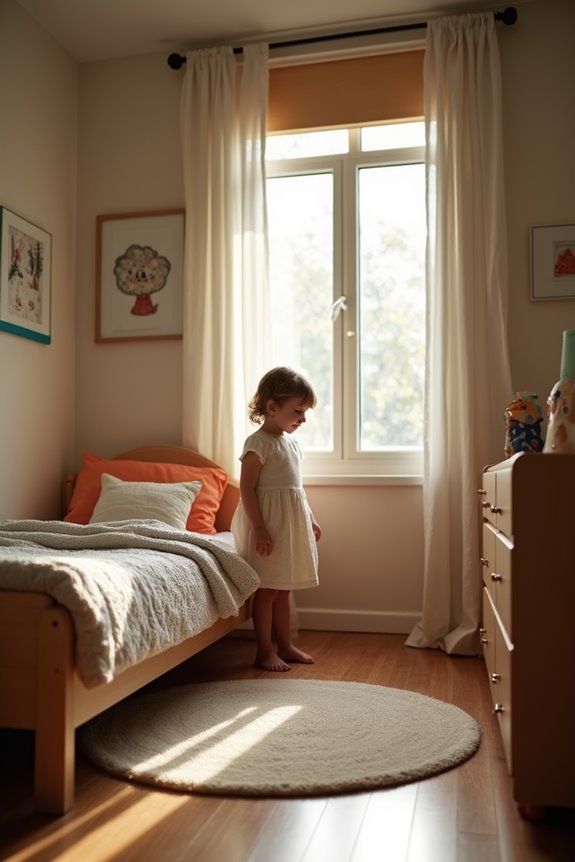
Safety features in a child’s bedroom go beyond just having four walls and a bed—they’re essential protections that CPS facilities must provide. I want you to understand what makes a bedroom truly safe for sleep.
Here’s what you need to know:
- Safety rails must be installed on upper bunk bed tiers for children under 10 years old
- Windows need screens and opening mechanisms for ventilation while maintaining privacy
- Doors must open and close properly for emergency access and security
These requirements protect kids from falls, inadequate airflow, and entrapment hazards. When bedrooms meet these standards, children can sleep soundly knowing they’re in a secure environment. You’re helping create spaces where kids genuinely feel protected and cared for.
Opposite-Gender Siblings: Separate Rooms After Age 5?
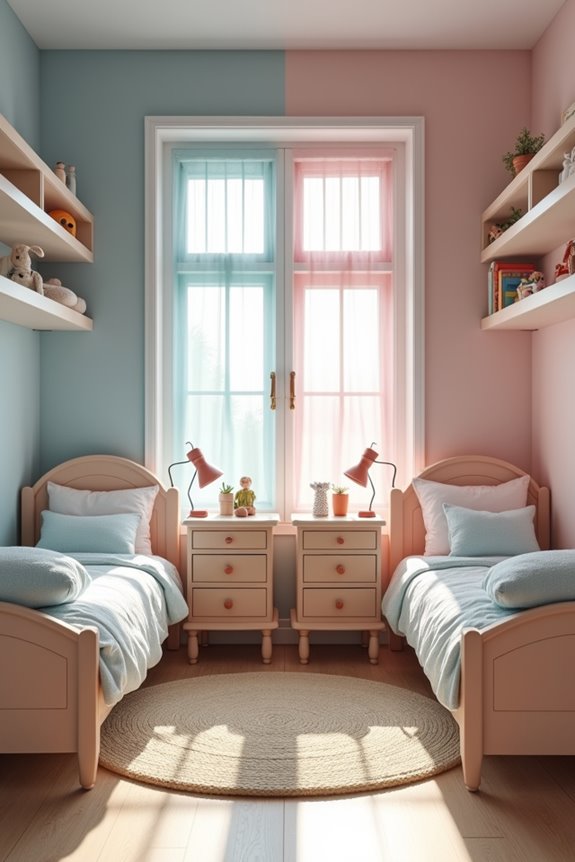
When do opposite-gender siblings actually need their own bedrooms? Here’s the truth: Texas law doesn’t mandate a specific age for separate rooms. You’ve got flexibility here, which is actually good news.
That said, many child development experts suggest considering separate rooms around age five. Why? Privacy matters more as kids grow and develop self-awareness.
If you’re keeping opposite-gender siblings together, you can make it work smartly. Install curtains or dividers to create distinct personal spaces. Give each child their own storage area and corner. These simple additions respect their growing need for privacy without requiring a whole second bedroom.
The key is thoughtfulness. You’re meeting your kids’ developmental needs while working within your home’s reality. That’s what actually counts.
CPS Bed and Bedding Standards Explained
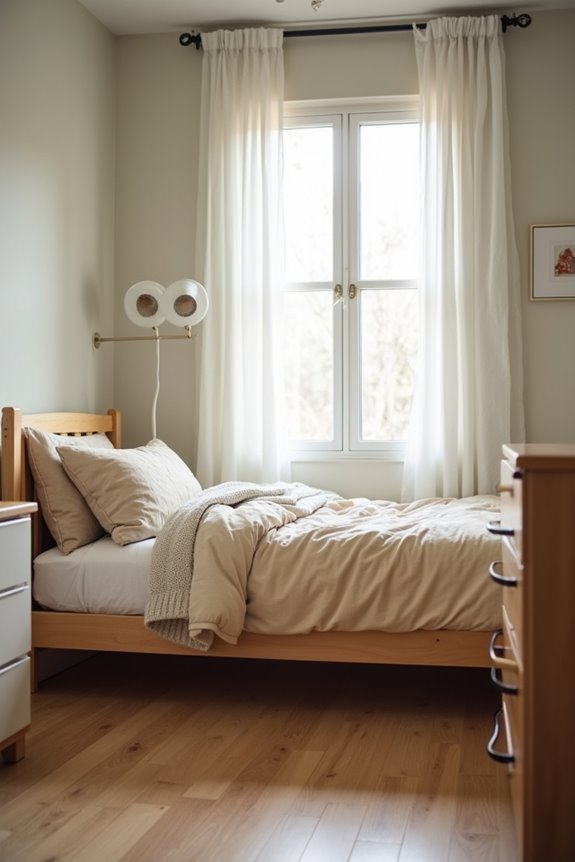
How you set up your child’s bed matters more than you might think—it’s actually one of the clearest ways CPS evaluates whether a home meets basic care standards. Your sleeping space setup directly impacts your child’s health and safety.
How you set up your child’s bed directly impacts their health and safety—it’s one of the clearest ways CPS evaluates basic care standards.
Here’s what you need to focus on:
- Proper bed sizing: Choose beds meeting minimum width and length requirements for your child’s age
- Clean bedding routine: Change sheets and pillowcases weekly, and use waterproof mattress coverings when needed
- Age-appropriate beds: Use bassinets for infants under three months, cribs with proper slat spacing for toddlers, and safety rails on upper bunks for children under ten
These aren’t arbitrary rules—they’re practical steps that show you’re prioritizing your child’s comfort and protection. Getting these basics right demonstrates you’re meeting standards that matter.
Designing Shared Bedrooms for Privacy and Harmony
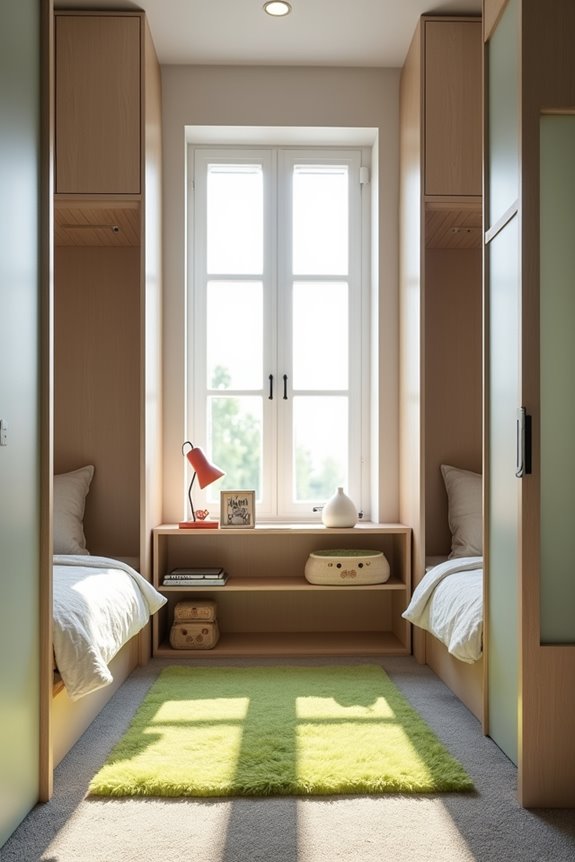
What’s the secret to keeping siblings happy when they’re sharing a room? Creating distinct personal spaces within your shared room. I’d recommend using curtains or dividers to give each child privacy without isolating them completely. Label storage bins for each sibling—this prevents arguments about whose stuff is whose. Let them choose their own bedding and decorate their section, which builds ownership and reduces conflict.
Establish quiet times when one child reads while the other does homework elsewhere. This balances togetherness with necessary alone time. Each kid needs their own bed, clean sheets, and a designated shelf for clothes and belongings.
The magic happens when you involve your children in planning the layout. They’ll feel heard, respected, and more invested in keeping their shared space harmonious.
How Custody Judges Assess Your Bedroom Setup
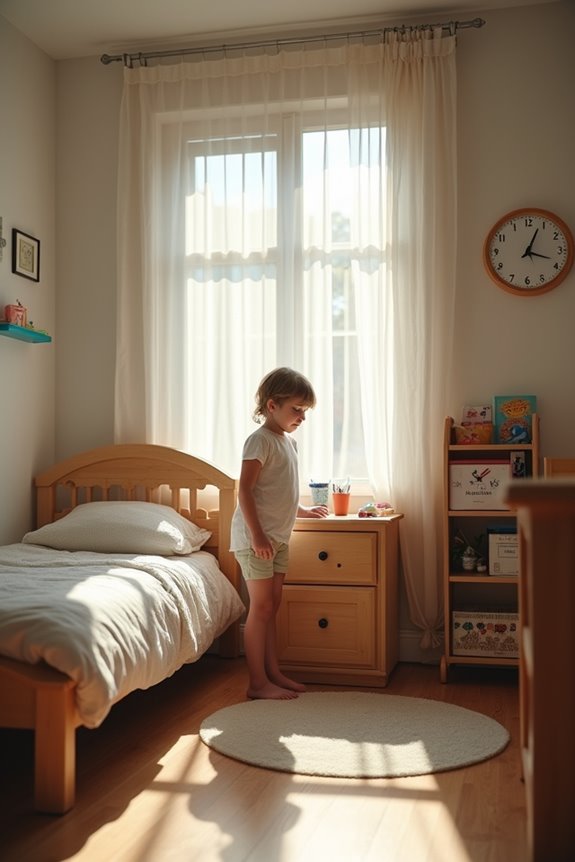
When a judge reviews your home’s bedroom situation, they’re essentially asking whether you’ve created a stable, safe space where your child can thrive—and that assessment goes way beyond just counting beds. They’ll examine your living space to see if it’s suitable for your child’s age and needs, checking things like whether there’s adequate room, proper ventilation, and safe sleeping arrangements that match how many kids actually live there. Your bedroom setup tells a judge a lot about your priorities and your ability to provide stability, so having a thoughtful plan (even if kids share a room) matters more than having a mansion with empty bedrooms.
Home Environment Stability Assessment
During custody cases, judges look carefully at your home’s bedroom setup—and yes, it matters more than you might think. I want you to understand that stability is what courts really evaluate. They’re assessing whether your living space supports your child’s wellbeing.
Here’s what judges examine:
- Safety features in bedrooms, including adequate exits, secure furniture, and hazard-free sleeping areas
- Sufficient space for each child’s age and needs, considering bed size, storage, and personal space
- Overall housing stability, including utilities, cleanliness, and structural soundness
Courts don’t require separate rooms for every child. Instead, they ask: Is this environment stable? Can it meet my child’s needs? Think of it as judges checking whether your home provides security and comfort—not perfection.
Living Space Suitability Standards
How judges actually evaluate your bedrooms comes down to one core question: does your living space fit your child’s age, safety needs, and privacy level?
I’ll be straight with you: judges assess bedroom size by counting square footage and checking whether each child has adequate sleeping space. They’re looking at whether your kids can have separate rooms—especially as they get older. If sharing’s necessary, age and gender matter significantly.
You’ll want to ensure windows meet safety codes, doors close properly, and storage keeps hazards contained. A clean, organized bedroom demonstrates you’re maintaining a safe environment. Bunk beds need proper railings. The goal isn’t perfection; it’s showing your living space genuinely supports your child’s wellbeing and growing privacy needs.
What to Do If Your Room Doesn’t Meet Standards
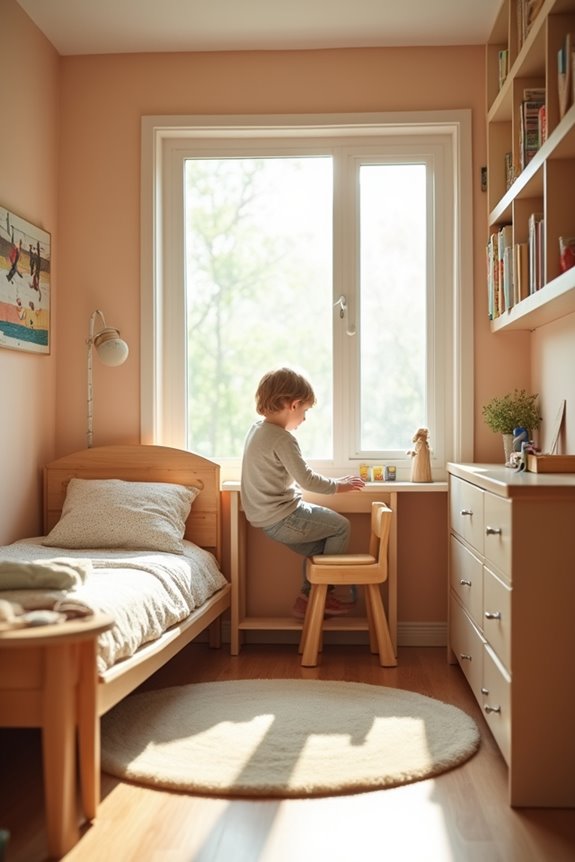
If your bedroom doesn’t currently meet CPS standards, you’ll want to start by honestly assessing what’s missing—whether that’s adequate square footage, proper window screens, safe sleeping arrangements, or clean bedding—so you know exactly what needs fixing. Next, you can make practical improvements like rearranging furniture to create more space, installing window treatments, upgrading to age-appropriate beds, or deep cleaning to meet safety requirements. If these changes aren’t enough or you’re unsure about the rules, reaching out to a family law attorney or your local department can help you understand your options, request exceptions if needed, or develop an emergency plan that keeps kids safe while you work toward compliance.
Assessing Current Space Standards
When you’re evaluating whether a bedroom actually meets CPS requirements, you’re looking at pretty specific measurements and features—and honestly, many older homes fall short.
Start by measuring your space carefully. You’ll need:
- Square footage: At least 74 square feet for one child, plus 50 additional square feet per extra child
- Ceiling height: A minimum of 7 feet 6 inches throughout the room
- Natural light and ventilation: One openable window with screening on an outside wall
Check your bedroom’s occupancy limits too. If your home was built after 1991, you can’t place more than four children in one bedroom. Grab a tape measure, take honest notes, and jot down what’s missing. This assessment helps you understand exactly what adjustments matter most for your family’s situation.
Making Practical Design Improvements
You’ve got options even if your bedroom’s coming up short on square footage or ceiling height. Smart bedroom design can transform tight spaces into functional rooms that meet requirements.
Start by creating privacy within shared spaces. Hang curtain dividers or install panels between beds so each child has their own defined area. This simple fix addresses privacy concerns without major renovations.
Next, maximize storage strategically. Use labeled bins under beds, wall-mounted shelves, and over-door organizers. When everything has its place, the room feels larger and safer.
Consider alternative layouts too. Bunk beds free up floor space for play areas. Just ensure proper guardrails and ventilation.
Involve your kids in decorating their zones with posters or personal touches. They’ll feel ownership, and you’ll create a cohesive room that works for everyone.
Seeking Professional Legal Guidance
Even with smart design fixes and creative layouts, some bedrooms still fall short of CPS standards—and that’s when talking to a lawyer becomes your next step.
You don’t have to figure this out alone. A licensed family law attorney can help you navigate housing standards and privacy concerns. Here’s what they can do:
- Review your specific situation and explain how courts view shared rooms
- Help you document design improvements that demonstrate adequate personal space
- Represent you if custody decisions depend on bedroom adequacy
The Eggleston Law Firm in Austin specializes in these cases. They’ll show judges that your home meets children’s needs, even if bedrooms aren’t perfectly separate. Getting professional guidance transforms uncertainty into confidence. You’re taking the right steps to protect your family’s future.