
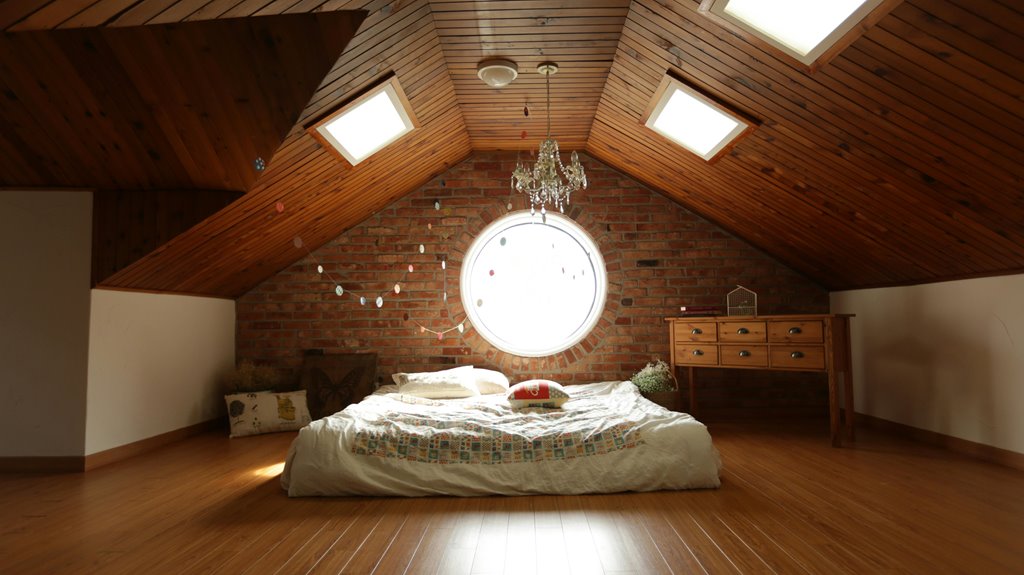
A non-conforming bedroom doesn’t meet your local building codes—it’s that extra room you’re calling a bedroom that legally isn’t one. I’d check three things: Does it have a proper egress window (at least 5.7 square feet)? Is the ceiling high enough (usually 7 feet)? Does it include a closet? Missing any of these, and you’ve got a non-conforming space. Call your local building department for your exact requirements—they vary everywhere. This matters because lenders won’t finance inflated bedroom counts, and you’ll face disclosure headaches when selling. Understanding these standards protects your investment.
Why This Matters for Real Estate Investors
Why does a bedroom’s conforming status matter so much to your bottom line? When you’re evaluating investment properties, non-conforming bedrooms directly impact your returns. Here’s why: properties with non-conforming spaces—typically basement bedrooms lacking proper egress windows—appraise lower and attract fewer buyers. Lenders hesitate to finance homes with inflated bedroom counts that don’t meet building codes. You’ll face disclosure obligations when selling, potentially triggering renegotiations or deal collapse. Beyond legality, non-conforming bedrooms limit your rental income potential. Tenants and buyers increasingly demand safe, code-compliant spaces. The fix? Strategic renovations like installing compliant egress windows transform these spaces, boosting property value significantly. Smart investors recognize non-conforming bedrooms as either negotiating leverage during purchases or renovation opportunities that yield strong returns. Understanding this distinction separates profitable deals from costly mistakes.
Defining a Non-Conforming Bedroom

A non-conforming bedroom is simply a room that doesn’t meet your local building code’s legal requirements—things like proper egress windows, minimum ceiling height, adequate ventilation, or a closet. I’ll walk you through what makes a bedroom legally compliant in your area, the most common problems I see (missing windows for escape routes, low ceilings, or no closet space), and why these rules actually differ depending on where you live. Understanding these distinctions matters because mislabeling a space as a bedroom can create serious safety issues and real headaches when you’re buying, selling, or renting property.
Legal Criteria and Requirements
What separates a legal bedroom from a non-conforming one? Local codes set the standards. I’ll walk you through the key requirements that matter most.
| Requirement | Legal Bedroom | Non-Conforming |
|---|---|---|
| Egress Window | 5.7 sq ft opening | Smaller or blocked |
| Window Height | 24 inches minimum | Below 24 inches |
| Window Width | 20 inches minimum | Below 20 inches |
| Closet | Present | Absent |
| Ceiling Height | Meets code | Too low |
Your egress window is essential—it’s your safe exit route during emergencies. Without proper dimensions and operation, that bedroom fails inspection. Local codes also mandate closets, adequate height, and heating. These aren’t optional extras. They’re safety foundations. Understanding these requirements helps you evaluate whether a room truly qualifies as a bedroom or falls short of legal standards.
Common Deficiencies in Bedrooms
When you’re evaluating a bedroom, here’s what often goes wrong: the space looks fine on the surface, but it’s missing one or more critical features that local building codes require.
The most common deficiency? Inadequate windows for egress. You’ll find older basements with small, high-placed windows—maybe 18×24 inches—that simply can’t provide safe escape access. Building codes typically demand a net clear opening of at least 5.7 square feet. Without this, you’ve got a problem.
Other frequent issues include missing closets, insufficient ceiling height, and poor ventilation. Some jurisdictions require all three; others focus primarily on window size and egress capability.
Here’s what matters: when these elements are absent, you’re looking at a non-conforming space. No shortcuts exist. The space either meets code requirements or it doesn’t.
Local Code Variations Matter
your city or county has the final say on what makes a bedroom a bedroom. I’ve learned that local codes vary dramatically. One municipality might require an egress window with a minimum 5.7 square feet of clear opening. Another might demand a closet, proper ceiling height, and ventilation. Your basement room could be perfectly legal in one area but non-conforming just across town. Before you count that spare room as your fourth bedroom, check your specific jurisdiction’s requirements. Call your local building department or visit their website. Ask about egress windows, closet rules, and ceiling heights. These details matter when you’re buying, selling, or renovating. Your location literally rewrites the bedroom rulebook.
The Five Safety Standards That Define Bedroom Conformity
How do you know if a room can legally be called a bedroom? I’ll break down five key safety standards that matter most.
First, your room needs an egress window—that’s your emergency exit. This window must open easily without tools, measure at least 5.7 square feet, stand 24 inches tall, and stretch 20 inches wide.
An egress window—your emergency exit—must open easily, measure at least 5.7 square feet, and meet specific height and width requirements.
Second, the room requires direct access to a street, yard, or alley. You’re not trapped inside.
Third, a closet is essential for storage and code compliance.
Fourth, adequate ceiling height and proper heating or ventilation keep the space livable.
Finally, smoke detectors and AFCI electrical protection safeguard against fire hazards.
These standards exist because they protect you and your family. Meeting them transforms a room from questionable to genuinely safe.
Finding Your Local Non-Conforming Bedroom Standards
I’d strongly encourage you to start by checking your local municipality’s building codes, since what counts as a bedroom in one area might not qualify in another. You’ll want to contact your city or county zoning office and ask for their specific bedroom requirements—they can tell you exactly what egress windows, closet sizes, or ceiling heights they require. Once you’ve got those standards in hand, you can compare them against any room you’re evaluating and figure out whether it’s truly conforming or falls short in some way.
Check Your Local Municipality
Where do bedroom standards actually come from? They come from your local municipality. I can’t stress this enough: your city or county sets the rules about what counts as a bedroom in your area.
Start by visiting your local building department’s website or calling them directly. Ask specifically about bedroom requirements. They’ll tell you what matters most—things like egress window size, ceiling height, and closet dimensions.
Local codes vary significantly. One jurisdiction might require a full basement egress window; another might not. Some areas demand direct exits to yards or streets; others have different standards.
Getting this information upfront saves you headaches later. You’ll understand exactly what you’re working with and avoid costly mistakes or disclosure problems when buying or selling.
Understand Regional Code Variations
Why does a bedroom that’s legal in one state become non-conforming just across the county line? It’s because your local municipality writes the rules. The 2006 IRC provides a framework, but your area tailors it to fit regional needs.
This matters for egress requirements. One jurisdiction might require a 5.7-square-foot window opening for emergency exits, while your neighbor’s county accepts 5 square feet. Ceiling height minimums, closet specifications, and safety features like window wells all vary by location.
I recommend calling your local building department directly. Ask specifically about bedroom definitions in your jurisdiction. They’ll clarify which non-conforming standards apply to your space. This conversation prevents costly misunderstandings about your home’s actual bedroom count and compliance status.
Consult Official Regulatory Sources
Now that you understand how your building department determines bedroom legality, it’s time to get the actual rules in writing. Contact your local city or county building department directly. Ask specifically about egress requirements, closet mandates, ceiling heights, and lighting standards for bedrooms in your area. Request their official bedroom definition in writing. Many jurisdictions post codes online, but a quick phone call saves time and confusion. Mention you’re checking whether a room qualifies as a bedroom. Officials can clarify local codes that might differ from national standards. This step transforms guesswork into certainty. You’ll walk away knowing exactly what your space needs to meet legal standards, protecting both your property value and your peace of mind.
Spotting the Non-Conforming Bedroom: Missing Egress Windows
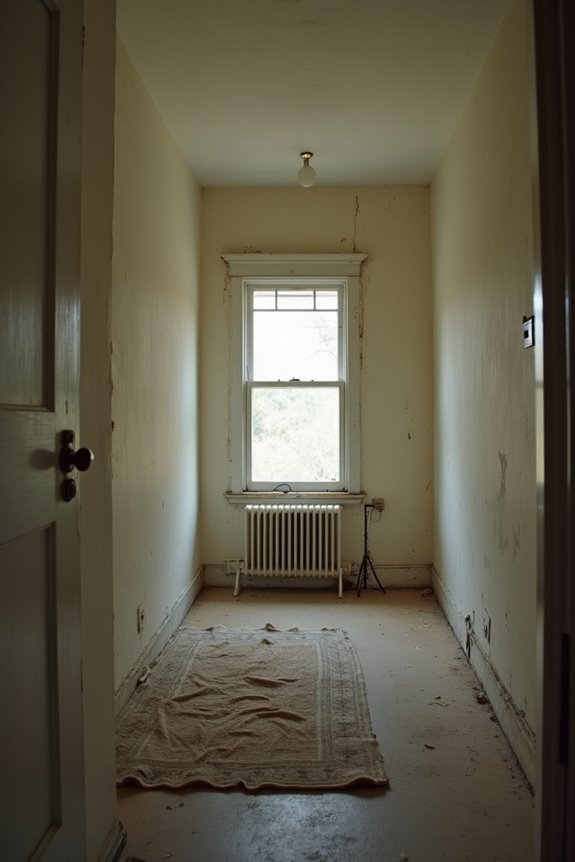
One of the quickest ways to spot a non-conforming bedroom is to check for a proper egress window—that’s your legal escape route in an emergency.
One of the quickest ways to spot a non-conforming bedroom is to check for a proper egress window—your legal escape route in an emergency.
I’d encourage you to inspect these key features:
- Opening size – Measure if the window clears at least 5.7 square feet with a 24-inch height and 20-inch width minimum
- Window placement – Look for windows positioned too high on walls, especially in older homes built before the 1980s
- Well depth – Check basement windows; if the well exceeds 44 inches deep, it needs a ladder or steps for safe escape
- Operability – Verify you can open it easily from inside without tools or keys
You’ll find that many basements and rooms fail these standards. Don’t overlook this critical safety feature when evaluating any potential bedroom space.
When Ceiling Height, Closets, and Daylight Create Non-Conforming Bedrooms
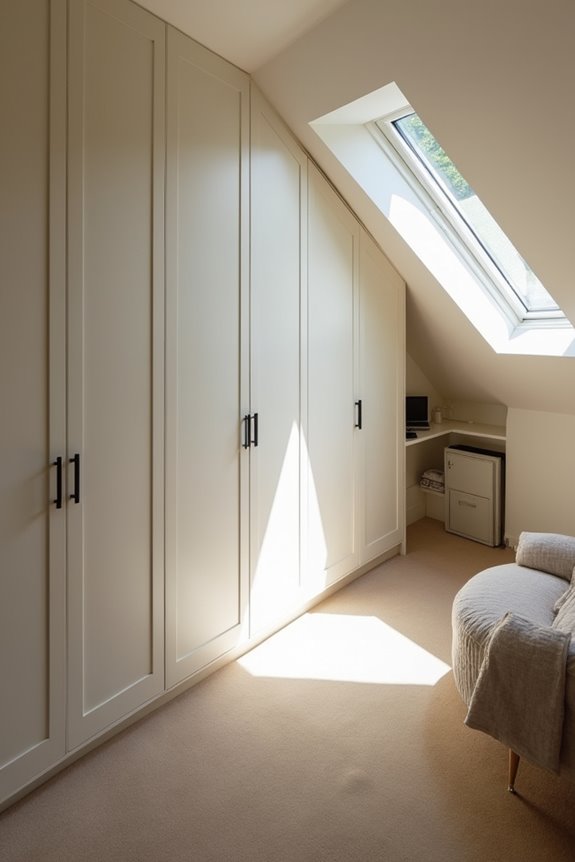
I want to show you three key features that often make a bedroom non-conforming: ceiling height, closet space, and natural light. Most building codes require ceilings to be at least 7 feet tall in bedrooms, and they also demand that windows let in daylight while providing a safe escape route. If you’re checking out a bedroom and it’s missing a closet, has a ceiling that feels cramped, or only has a small window that doesn’t meet code standards, you’ve found yourself a non-conforming space.
Minimum Ceiling Height Standards
Because a bedroom needs to feel spacious and safe, building codes set minimum ceiling heights that directly affect whether a room officially qualifies as a bedroom.
I’d like to walk you through what matters most:
- Standard requirement: Most jurisdictions require 7 feet of ceiling height throughout the bedroom space
- Partial allowances: Some codes permit 6 feet 8 inches in certain room portions
- Egress window pairing: Adequate ceiling height works alongside your egress window to meet habitability standards
- Sloped ceiling zones: Areas below minimum height don’t count toward your usable bedroom space
When you’re evaluating a room, measure the ceiling height carefully. If portions fall short, that space becomes non-conforming. This matters because it affects your home’s value and marketability. You’re not alone in navigating these details—they’re essential for understanding your property’s true bedroom count.
Window And Closet Requirements
While ceiling height sets the foundation for a conforming bedroom, two other features often determine whether a room truly qualifies: windows and closets.
Let me break down what inspectors actually look for:
| Feature | Requirement | Common Issues |
|---|---|---|
| Egress Window | Direct exit access, operable | Too small or blocked |
| Window Size | Meets local code minimums | Basement windows fail often |
| Daylight | Adequate natural light | Poorly positioned windows |
| Closet | Dedicated storage space | Missing or inadequate |
A non-conforming bedroom often lacks a compliant egress window. Maybe it’s too small. Perhaps it’s positioned awkwardly. Without this window, the room can’t legally be a bedroom, regardless of other features.
Closets matter too. Many jurisdictions require a dedicated closet for bedroom designation. An older basement might have storage, but it doesn’t count as a proper closet.
These details matter when you’re evaluating your home’s actual bedroom count.
The Financial Impact of a Non-Conforming Bedroom on Property Value
How much could that extra bedroom actually cost you?
A non-conforming bedroom can significantly impact your property value. Here’s what I want you to know:
- Reduced resale appeal – Buyers often hesitate when they discover bedrooms don’t meet code requirements
- Lower appraisal values – Appraisers count fewer legal bedrooms, directly affecting your home’s assessed worth
- Tax implications – Your property taxes may reflect fewer bedrooms, though this varies by location
- Compliance costs – Converting to a legal bedroom requires investments in egress windows, ceiling height adjustments, and safety features
Mislabeling your non-conforming bedroom as a true bedroom invites legal trouble during sale or refinancing. I recommend being transparent about your space’s status. Converting it properly increases marketability and protects your investment long-term. The upfront costs often pay dividends when selling.
What You Must Disclose When Selling or Renting a Non-Conforming Bedroom
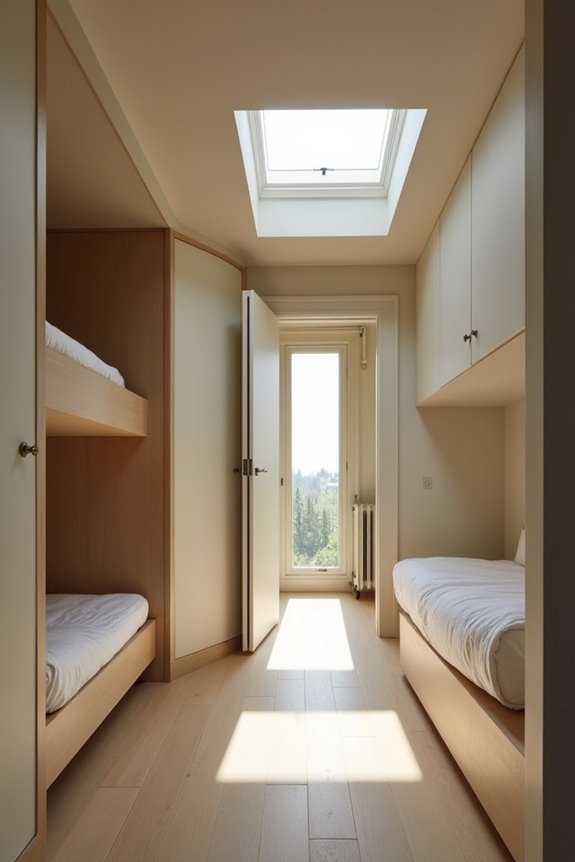
When you’re ready to sell your home or rent out a space, what exactly do you need to tell potential buyers or tenants about a non-conforming bedroom?
You must disclose it. Period. State clearly that the room doesn’t meet current building codes. Explain the specific issues: missing egress windows, low ceiling height, inadequate ventilation, or lack of proper doors. Don’t assume buyers understand what “non-conforming” means—spell it out in simple terms.
Write your disclosure in documents they’ll actually read and sign. Include what makes it non-conforming, potential safety concerns, and estimated remediation costs. Consult a real estate attorney to ensure you’re covering all legal requirements in your area.
Transparency builds trust. Surprises create lawsuits.
When Appraisers and Inspectors Disagree: and Why It Matters

When an appraiser labels a room a bedroom for resale value but an inspector won’t certify it without an egress window or proper closet, you’ve got a real problem—one that can tank your financing or future sale. I’ll show you why this disagreement happens, how it affects your wallet, and what documentation you’ll need to protect yourself. Let’s break down each piece so you understand exactly where appraisers and inspectors diverge and what to do about it.
Valuation Discrepancies and Impact
Why do appraisers and home inspectors sometimes reach opposite conclusions about the same bedroom? An appraisal discrepancy occurs when these professionals evaluate non-conforming bedrooms differently, directly affecting your home’s value and loan eligibility.
Here’s what happens:
- Appraisers subtract value when bedrooms lack required egress windows or adequate ceiling height
- Inspectors document safety issues that limit marketability despite marketing labels
- Documentation conflicts arise between listing descriptions and official permits
- Financing gets delayed while lenders reconcile competing assessments
When one expert calls a space non-conforming and another doesn’t, your loan-to-value ratio can shift considerably. I’ve seen deals stall weeks waiting for resolution. The inconsistency between what’s advertised as a bedroom and what actually meets code creates real financial consequences you’ll want to address upfront.
Inspection Standards and Conflicts
How do two professionals walk through the same bedroom and come away with completely different conclusions? The answer lies in their competing priorities. Appraisers focus on market value and what buyers will pay, while inspectors enforce life-safety rules. This creates real conflict.
Consider egress requirements—inspectors demand a direct exit and a minimum 5.7-square-foot window opening. If your room lacks this evidence of compliant exiting, inspectors flag it as non-conforming. Appraisers might overlook this, counting the room anyway because it functions as a bedroom in practice.
Local codes complicate matters further. Your space could pass inspection in one city but fail in another. When professionals disagree, you’re left uncertain about your home’s true value and safety status. This uncertainty often leads to post-sale disputes and expensive upgrades.
Resolution Through Documentation
You’ve got options when an appraiser and inspector can’t agree on your bedroom’s status. I’ll walk you through resolving this frustrating situation.
- Document everything. Photograph window dimensions, closet presence, ceiling height, and bedroom egress features. Write down exact measurements and dates.
- Get a certified third party involved. Hire a licensed inspector or code official to evaluate the space independently and provide written findings.
- Request side-by-side comparisons. Ask both parties to explain which code sections they’re using—local amendments versus IRC standards matter here.
- Obtain written justifications. Insist on detailed notes explaining why the space is conforming or non-conforming based on specific code requirements.
This documentation protects your property’s value, insurance coverage, and legal standing when selling or renting.
Fire Liability and Insurance Implications of Non-Conforming Bedrooms
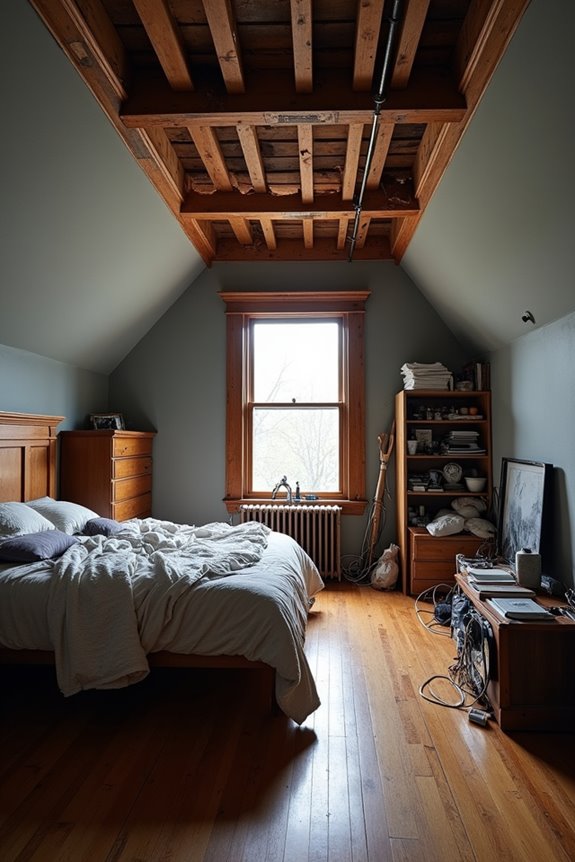
Because non-conforming bedrooms lack proper safety features—like approved emergency exits or correctly sized windows—they pose real fire risks that insurance companies take seriously. I’ll be direct: underwriters may deny coverage or demand costly premiums if they discover non-conforming sleeping spaces in your home.
Here’s what happens. When you market a bedroom without proper egress windows, you’re exposing yourself to misrepresentation claims. If a fire occurs and someone gets trapped because that window won’t open properly, your insurer could deny your claim entirely.
The good news? You can fix this. Installing compliant egress windows, adding updated smoke detectors, and ensuring proper exits transforms your liability picture. These retrofits aren’t just about passing inspections—they’re about genuine safety and protecting what matters most.
Converting a Non-Conforming Bedroom: Costs and Timeline
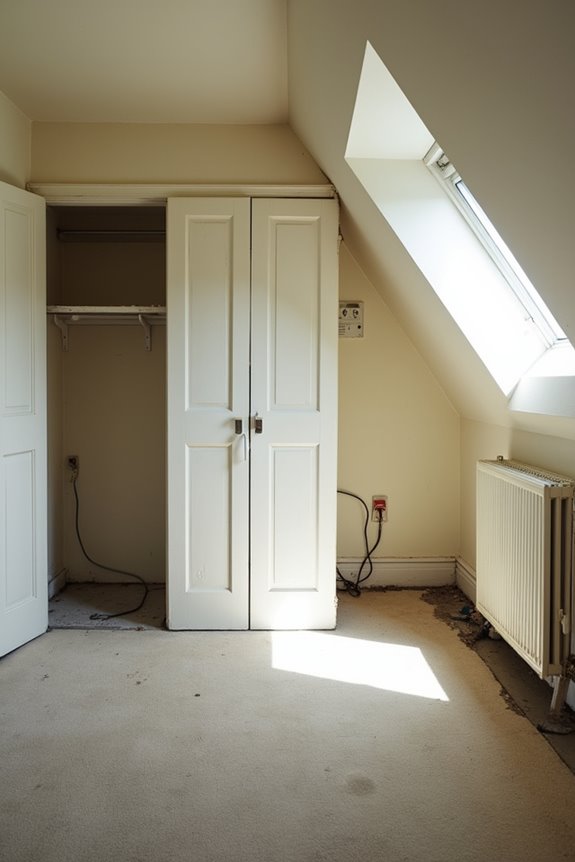
When you’re ready to transform that non-conforming bedroom into a legally compliant space, the main work centers on one thing: getting a proper egress window installed. Here’s what you’ll encounter:
- Window installation costs range from $750 to $1,500 for standard setups, sometimes climbing to $2,500 with upgrades
- Basement bedroom projects may need window wells (minimum 9 ft² with 36″ width/depth) and ladders for deeper installations
- Timeline varies based on permits, design work, and coordinating framing, glazing, and finishing trades
- Final inspection verifies compliance and affects your home’s resale value
The egress window must meet strict standards: 5.7 ft² net clear opening, 24″ high, 20″ wide, and operable without tools. Planning ahead and getting multiple quotes helps you budget accurately and keeps your project moving smoothly.
Is Conversion Economically Viable? Breaking Down the Financial Decision
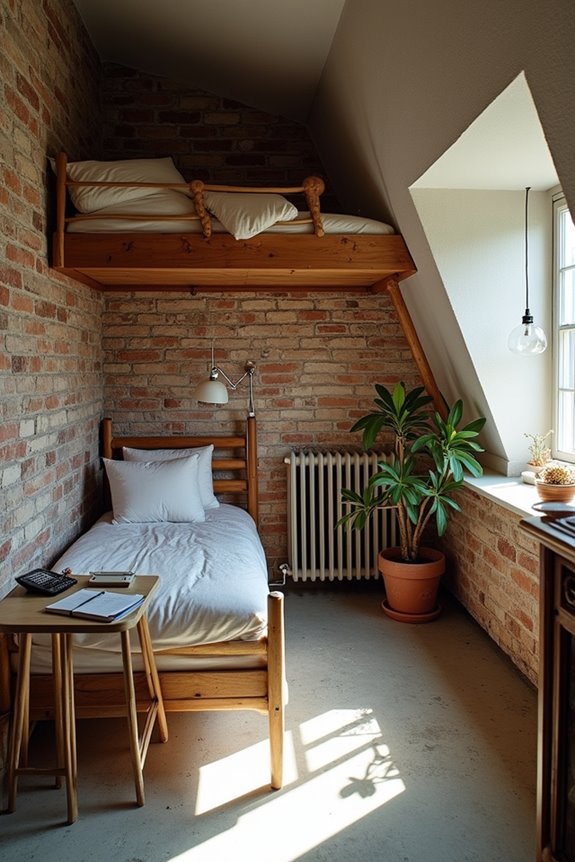
Most homeowners wonder whether spending $750 to $2,500 on an egress window will actually pay off when they sell or rent out the space. Here’s the honest truth: it depends on your local market and long-term plans.
If you’re selling soon, the renovation costs might not return your full investment. However, a legally conforming bedroom typically increases property value and attracts more buyers. Rental income also improves significantly—you can charge more for a legally usable bedroom.
Before committing, consult a real estate professional about your area’s market demand. Get multiple contractor quotes for egress installation. Then calculate: potential rental income or resale gains minus total renovation costs. If the numbers work in your favor over five years or more, conversion makes financial sense.
Repurposing as Offices or Flex Spaces: Maximizing Alternative Uses
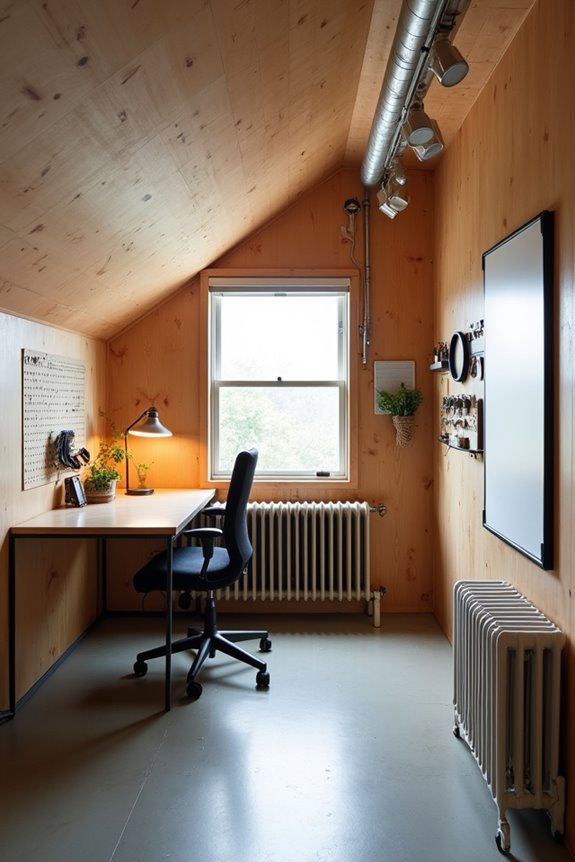
What if you stopped fighting the bedroom rules and started thinking creatively instead? You can transform that non-conforming space into something valuable without the headache of code compliance.
Here’s how to maximize flexibility:
- Convert it into a home office where you work remotely without needing bedroom egress requirements
- Design a fitness studio or yoga space that attracts wellness-focused tenants
- Create a creative studio for art, music, or crafts using existing natural light
- Set up a den or flex space for guests, hobbies, or future adaptation
The key? You’re still responsible for safety basics like proper egress windows, lighting, and HVAC function. Market these spaces honestly as non-bedrooms. This approach adds usable square footage while keeping you legally protected and transparent with buyers or tenants.
Negotiating Price With Non-Conforming Bedrooms

Repurposing that non-conforming space is smart, but here’s the reality: when it comes time to sell or rent, you’ll need to price the property honestly.
Price negotiations around a non-conforming bedroom require transparency. Buyers will ask questions, and you’ll want to address them directly. Consider what compliance costs—egress windows, permits, structural changes—before setting your asking price.
| Factor | Impact on Price |
|---|---|
| Missing egress window | Reduces value $5,000–$15,000 |
| No closet space | Lowers appeal, decreases $3,000–$8,000 |
| Permit costs | Add $2,000–$10,000 to buyer’s expenses |
Offer a credit instead of hiding the issue. This builds trust and removes buyer anxiety. You’re not losing money—you’re selling responsibly and attracting serious buyers who appreciate honesty over hidden problems.
Your Verification Checklist: Steps Before Investing

Before you commit money to a property with a non-conforming bedroom, you’ll want to verify exactly what you’re working with. I’d recommend creating a checklist to inspect the space thoroughly before investing.
- Check egress options—look for an operable window or bulkhead door that opens directly outside, meeting fire code emergency opening requirements (typically 5.7 square feet minimum).
- Measure ceiling height, ventilation systems, heating, and lighting to ensure they match local code standards.
- Verify closet space or legally acceptable alternatives your area permits.
- Research your jurisdiction’s occupancy rules and whether sleeping in this room is actually allowed.
This groundwork prevents surprises later. You’ll know exactly what compliance costs might be, and you can make an informed decision about whether the property fits your goals.